
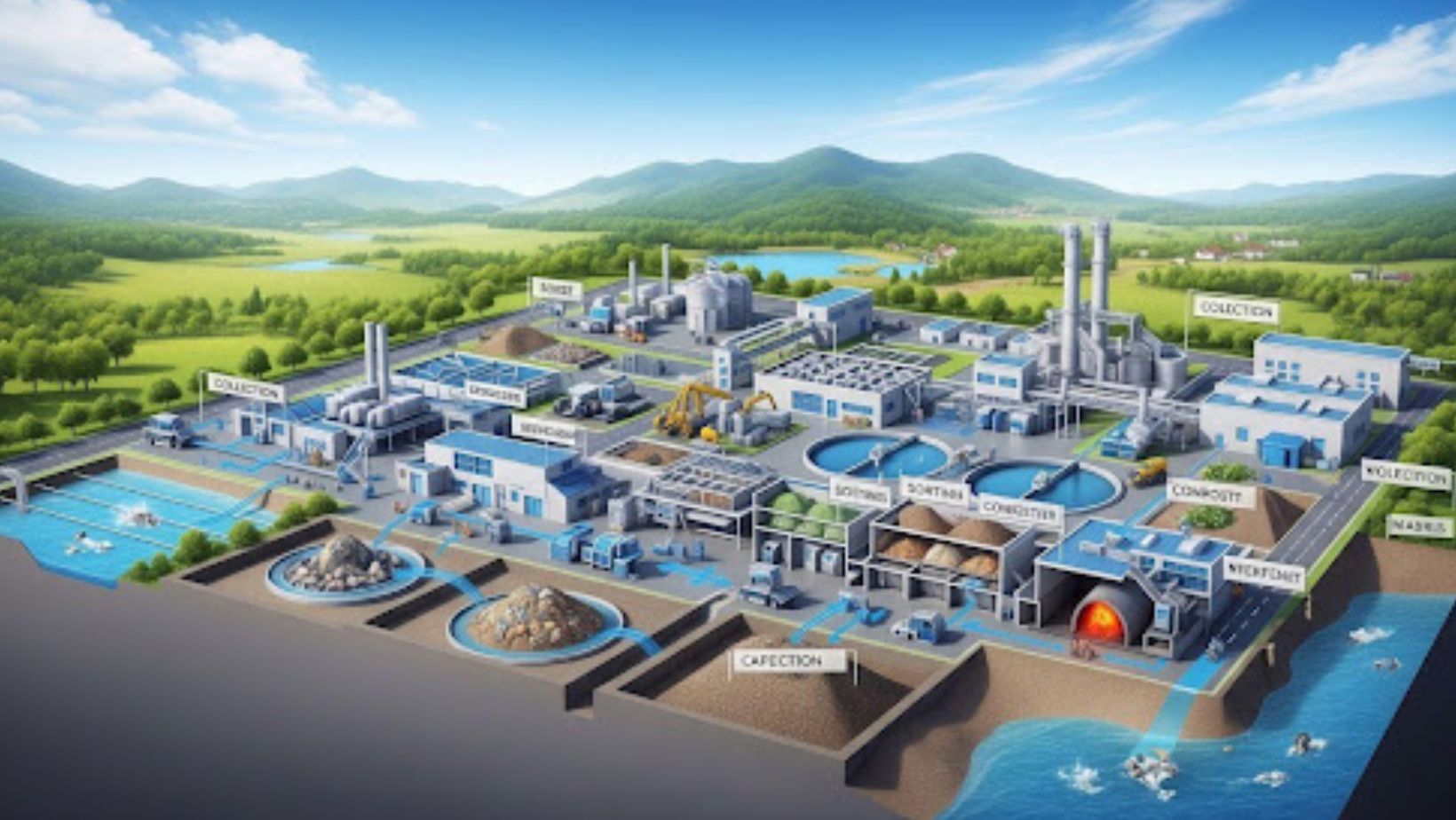
Waste treatment plays a critical role in protecting the environment and supporting public health across Australia.
As population growth and consumption increase, so does the complexity of managing different waste streams.
Effective waste treatment reduces pollution, conserves resources, and supports sustainable development by ensuring waste is processed safely and responsibly.
This guide explains the key waste treatment approaches used in Australia and how they contribute to a cleaner environment.
What Is Waste Treatment and Why It Matters
Waste treatment refers to the processes used to manage waste after it has been collected, with the goal of reducing its environmental impact.
This includes physical, chemical, and biological methods that neutralise hazardous materials, recover valuable resources, or prepare waste for safe disposal.
In Australia, waste treatment is governed by state and territory regulations designed to protect land, water, and air quality.
Without proper waste treatment, untreated waste can release toxins, spread disease, and damage ecosystems.
Effective systems ensure waste is managed in a way that aligns with environmental standards while supporting economic efficiency and community wellbeing.
Types of Waste Requiring Treatment
Municipal and Household Waste
Household waste includes general rubbish, recyclables, and organic materials. Each category requires a different waste treatment approach.
General waste may be processed to reduce volume before disposal, while recyclables are sorted and reprocessed into new materials.
Organic waste is often treated biologically to recover nutrients and energy.
Australian councils play a central role in managing municipal waste treatment services, ensuring residents have access to appropriate infrastructure and education.
Industrial and Commercial Waste
Industrial and commercial activities generate a wide range of waste materials, from packaging and construction debris to chemicals and manufacturing by products.
Waste treatment for these streams often requires specialised facilities and licensed operators.
Proper classification and tracking are essential to ensure waste is treated according to regulatory requirements and does not pose environmental or safety risks.
Physical Hazardous Waste Treatment Methods
When you look at how we handle waste in Australia, it’s not just about chucking things in a bin and forgetting about them.
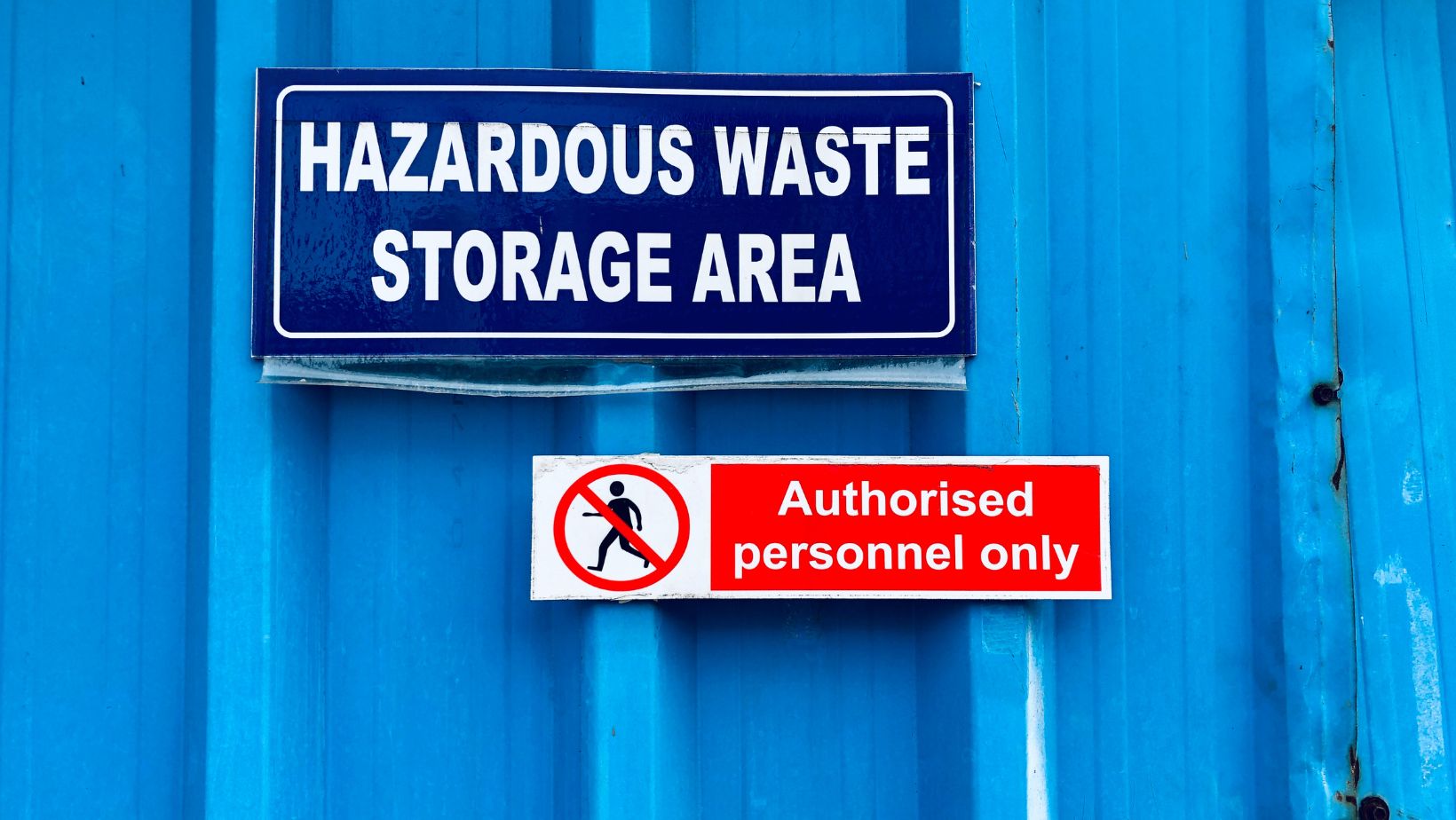
It’s about using a bit of muscle and some clever science to make sure as little as possible ends up buried in a hole in the ground.
Moving and Sorting the Physical Stuff
Physical waste treatment is basically the mechanical grunt work of the recycling world. It’s all about shredding, squashing, and sorting through rubbish to get it ready for its next life.
In recovery facilities across the country, we’re using some pretty advanced tech to separate materials by size or what they’re made of.
This is a massive win for our recycling systems because it cuts down on contamination—meaning the stuff we actually recover is high-quality enough to be reused.
Plus, by compacting everything down, we aren’t wasting space in landfills with bulky items that could have been handled better.
Using Heat to Deal with Waste
Thermal treatment is exactly what it sounds like—using heat to break waste down. This process can shrink the volume of rubbish significantly and neutralise any nasty bits that shouldn’t be sitting in the soil.
The clever part is that we can often “capture” the energy created during this process, turning waste into power while relying less on traditional landfill.
In Australia, this is all under a microscope; the regulations are incredibly tight to make sure emissions are kept in check and we’re meeting our environmental standards.
Biological Waste Treatment Approaches
Composting and Aerobic Treatment
Biological waste treatment uses natural processes to break down organic materials.
Composting is a widely used method for treating food and garden waste, converting it into nutrient rich compost for agriculture and landscaping.
Many Australian councils offer green waste services that support large scale composting operations.
Aerobic treatment reduces greenhouse gas emissions compared to landfill disposal and returns organic matter to the soil, supporting healthier ecosystems.
Anaerobic Digestion
Anaerobic digestion is another form of biological waste treatment that occurs in the absence of oxygen.
Organic waste is broken down to produce biogas, which can be used as a renewable energy source, and digestate, which can be applied as a soil conditioner.
This approach supports Australia’s transition to a lower carbon economy while managing organic waste more effectively.
Chemical Waste Treatment Solutions
Neutralisation and Stabilisation
Chemical waste treatment is used for hazardous waste streams that cannot be managed through physical or biological methods.
Neutralisation involves adjusting the chemical properties of waste to make it less harmful, while stabilisation binds contaminants to prevent them from leaching into the environment.
These processes are commonly used for industrial chemicals and contaminated soils.
Licensed treatment facilities ensure chemical waste treatment meets strict safety and environmental requirements.
Treatment of Liquid Waste
Liquid waste, including wastewater and industrial effluent, requires specialised treatment to remove contaminants before discharge or reuse.
Wastewater treatment plants use a combination of physical, biological, and chemical processes to protect waterways and public health.
In water stressed regions of Australia, treated wastewater is increasingly reused for irrigation and industrial applications.
Safe Disposal After Waste Treatment
Preparing Waste for Landfill
Even after waste treatment, some residual materials require disposal. Proper treatment reduces the risk these materials pose when sent to landfill.
Treated waste is more stable, less toxic, and less likely to generate harmful emissions.
Australian landfills are designed to manage treated waste safely, with monitoring systems to protect surrounding environments.
Reducing Reliance on Disposal
The ultimate goal of waste treatment is to minimise the amount of waste requiring disposal.
By recovering resources and energy, waste treatment supports a more circular approach to waste management.
This reduces pressure on landfill infrastructure and lowers long term environmental impacts.
The Role of Policy and Education in Waste Treatment
Regulatory Frameworks and Compliance
Strong regulatory frameworks ensure waste treatment activities are carried out responsibly.
In Australia, environmental protection authorities oversee licensing, compliance, and enforcement to maintain high standards.
Clear regulations provide certainty for industry while protecting communities and ecosystems.
Community and Industry Engagement
Education and engagement are essential to improving waste treatment outcomes.
When households and businesses understand how waste is treated and why correct disposal matters, contamination decreases and system efficiency improves.
Ongoing collaboration between government, industry, and the community supports innovation and continuous improvement in waste treatment practices.
Conclusion
Waste treatment is a vital component of environmental protection and sustainable development in Australia.
By applying appropriate physical, biological, and chemical treatment methods, waste can be managed safely while recovering valuable resources.
As waste challenges evolve, continued investment in waste treatment infrastructure, education, and policy will be essential for achieving a cleaner environment and a more sustainable future.