
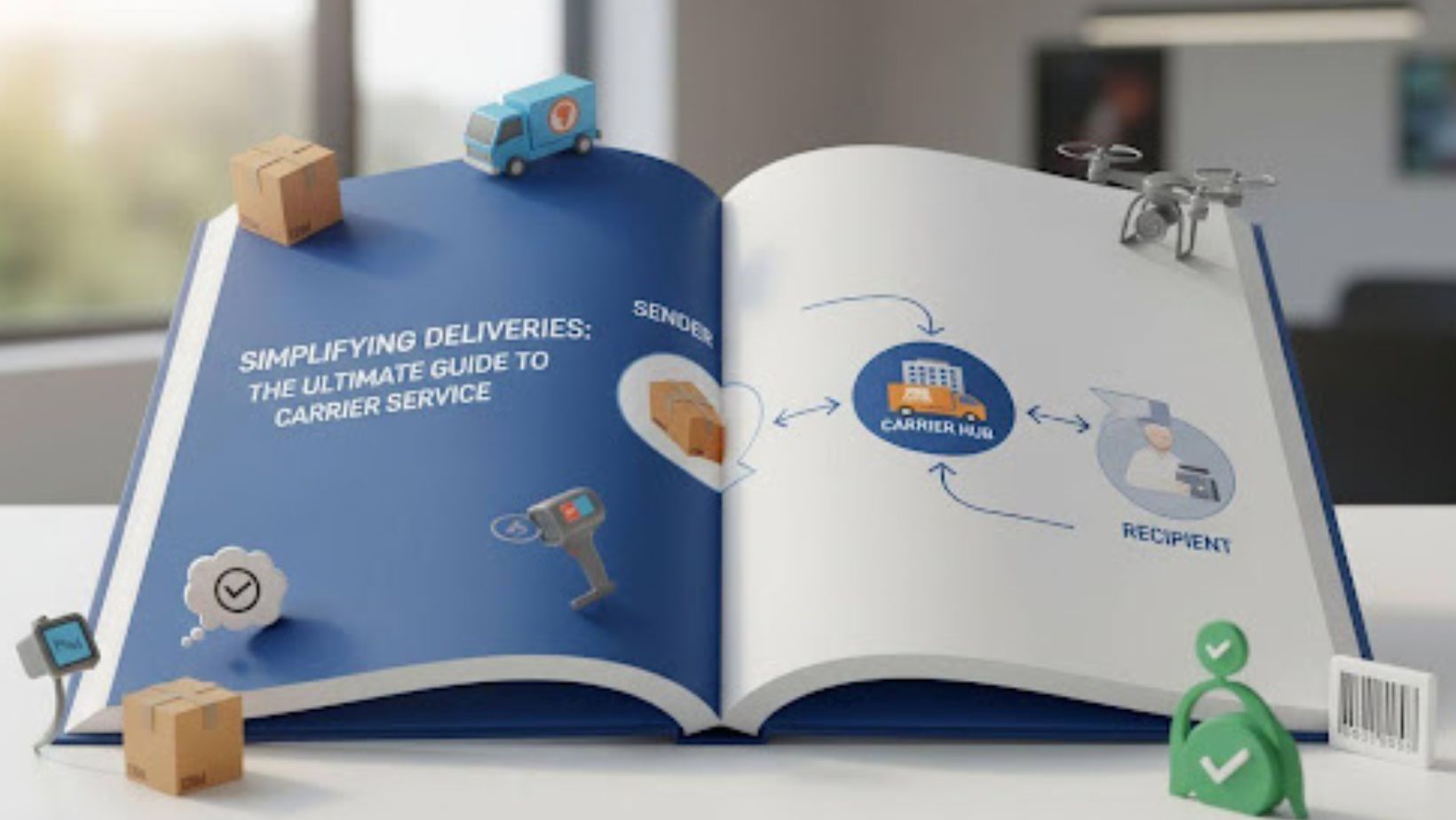
Whether it’s a local courier zipping through the city or a national freight mob hauling gear across the Nullarbor, a reliable carrier service is what keeps Australian e-commerce and logistics actually moving
. We’ve all seen how much delivery expectations have skyrocketed lately—people want their stuff fast, and they want to know exactly where it is.
That’s why getting your routes right isn’t just a “behind-the-scenes” detail anymore; it’s the secret to keeping costs down and making sure your deliveries actually show up when you said they would.
This guide is all about how the carrier system works on the ground here in Australia, why being efficient is your biggest competitive advantage, and how smart routing can take the stress out of your daily operations.
Understanding Carrier Service in Modern Logistics
Carrier service refers to the transportation of goods from one location to another by a third party logistics provider.
In Australia, carrier services range from last mile delivery operators in urban areas to long haul freight services supporting regional and remote communities.
These services must navigate unique challenges including vast distances, variable infrastructure, and fluctuating demand.
Reliable carrier service ensures goods move safely and predictably through the supply chain.
Delays, inefficiencies, or poor planning can have a direct impact on customer satisfaction and operational costs.
As a result, logistics providers and businesses are increasingly focused on improving how deliveries are planned and executed.
The Growing Importance of Route Optimization
Route optimization is the process of determining the most efficient paths for delivery vehicles to follow.
It takes into account factors such as distance, traffic conditions, delivery time windows, vehicle capacity, and fuel usage.
For carrier service providers, effective route optimization reduces unnecessary travel and improves overall productivity.
In Australia, where delivery routes can span large geographic areas, optimised routing is especially important.
Even small improvements in route planning can lead to significant savings in fuel, labour, and vehicle maintenance.
Impact on Customer Experience
Customers expect accurate delivery times and consistent service.
Route optimization helps carrier services meet these expectations by improving on time performance and reducing missed or late deliveries.
Real time routing adjustments also allow carriers to respond to traffic incidents or weather conditions, maintaining service reliability.
For businesses offering delivery to customers, efficient carrier service supported by route optimization strengthens brand trust and encourages repeat business.
Key Components of an Effective Carrier Service
Fleet Management and Vehicle Selection
The type and condition of vehicles used in carrier service directly affect delivery efficiency.
Vehicles must be suited to the delivery environment, whether that involves navigating dense city streets or travelling long distances between regional centres.
Route optimization tools help match vehicles to routes more effectively, ensuring capacity is used efficiently and unnecessary trips are avoided.
Proper fleet management also supports compliance with Australian safety and environmental regulations, reducing risk for both carriers and clients.
Scheduling and Delivery Windows
Delivery scheduling is a complex aspect of carrier service, particularly when managing multiple customers with different requirements.
Route optimization allows carriers to sequence deliveries in a logical order that respects time windows while minimising travel time.
This reduces driver stress and improves adherence to schedules.
In metropolitan areas, optimised scheduling can help avoid peak traffic periods.
In regional areas, it ensures long distance routes are planned realistically, accounting for rest breaks and road conditions.
Technology Driving Route Optimization
Digital Planning Tools and Software
Advancements in logistics technology have transformed carrier service operations.
Modern route optimization software uses algorithms and real time data to generate efficient delivery plans.
These tools can integrate with order management systems, providing visibility across the delivery process.
Australian carriers increasingly rely on digital solutions to manage growing delivery volumes, particularly in eCommerce.
Automated route planning reduces manual errors and allows dispatch teams to focus on exception management rather than routine planning.
Data and Performance Insights
Route optimization generates valuable data that can be used to improve carrier service over time.
Metrics such as delivery times, fuel consumption, and route adherence provide insights into performance trends.
Analysing this data supports continuous improvement and more accurate forecasting.
For businesses working with carrier service providers, access to performance data improves transparency and supports better decision making.
Cost and Sustainability Benefits
Fuel is easily one of the biggest drains on any delivery business. Proper route optimisation isn’t just about being fancy with maps; it’s about cutting out every unnecessary kilometre.
This directly lowers your fuel bill and means your vans aren’t wearing out nearly as fast. You can then take those savings and actually put them back into the business or pass them on to your customers.
It also makes life a lot better for your drivers. When the routes actually make sense, they can get through more deliveries in a shift without having to work back late.
It’s a massive boost to productivity that doesn’t rely on everyone burning out.
Doing the Right Thing by the Environment
More and more Australian customers are looking at the footprint of the businesses they buy from.
Using less fuel and spending less time idling in traffic isn’t just a cost-saver—it’s a genuine way to lower your emissions.
For anyone running a decent-sized fleet, these small changes to your routes add up to a measurable environmental impact.
Plus, fewer vans zig-zagging aimlessly through the CBD means less congestion for everyone else on the road.
Picking the Right Route Planning Partner for the Job
Choosing a carrier isn’t just about who’s the cheapest on paper.
You need to look at their actual coverage, how reliable they are, and whether they’ve actually invested in the tech needed to stay efficient.
In a country as big as Australia, having a partner who understands the difference between a metro run and a regional delivery is huge.
A provider that uses smart routing can give you a consistent result whether the package is going across Sydney or out to a regional hub.
Why Talking to Your Provider Actually Matters
The best delivery partnerships are built on actually talking to each other. Your route optimisation tools are only as good as the data you feed them.
By being upfront with your carrier about your order volumes, specific delivery needs, and your forecasts for the month, you give them the best chance to get it right.
It keeps the whole operation running smoothly and stops those annoying delays or “address not found” dramas before they start.
Conclusion
Carrier service is a critical component of modern supply chains, supporting the movement of goods across Australia’s unique and varied landscape.
As delivery volumes grow and customer expectations increase, route optimization has become essential to delivering efficient, reliable, and cost effective carrier service.
By investing in optimised routing, technology, and collaboration, businesses and logistics providers can simplify deliveries while improving performance, sustainability, and customer satisfaction.