
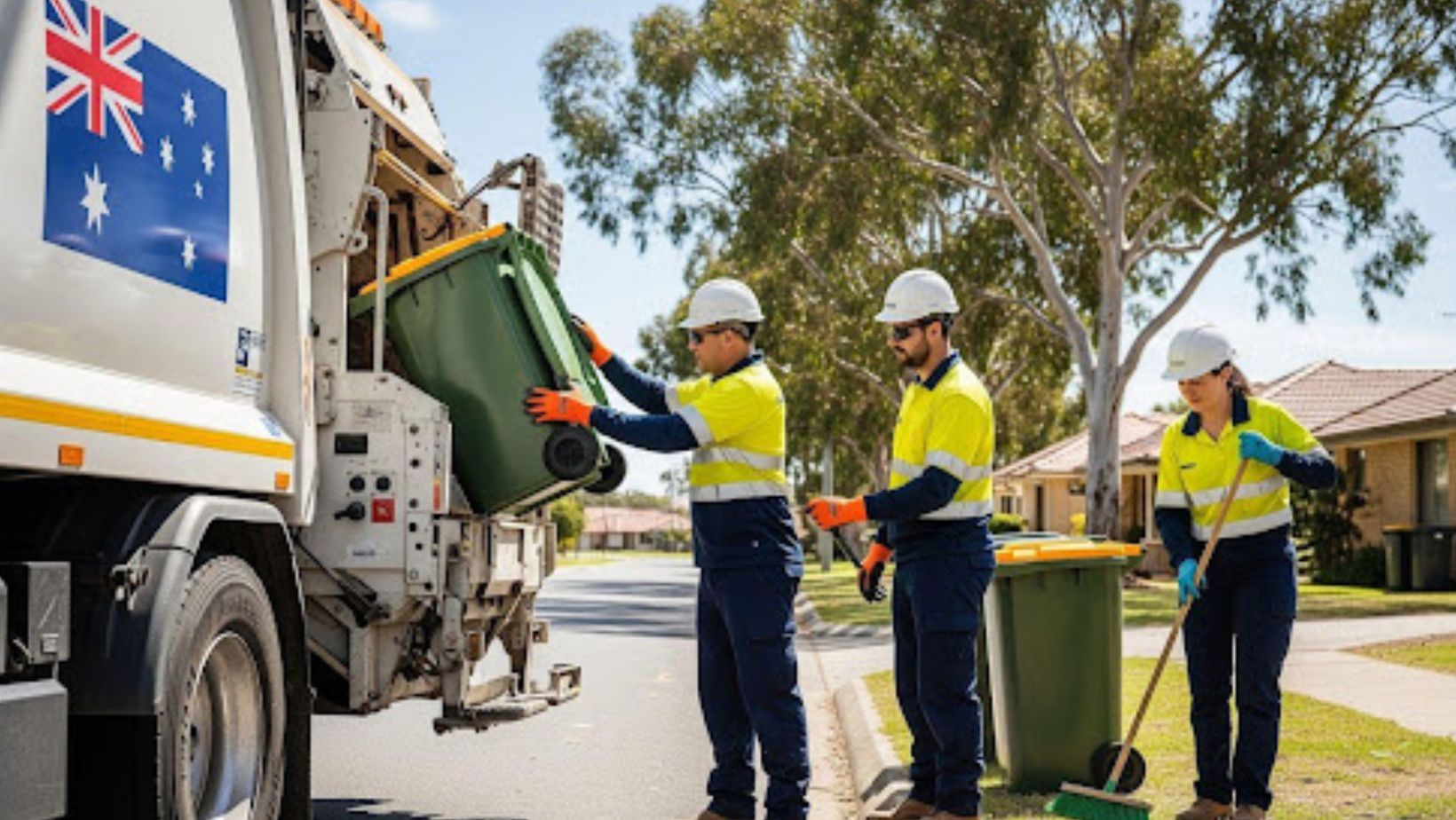
Effective waste management is a growing priority across Australia as communities, businesses, and governments respond to rising waste volumes and environmental pressures.
From metropolitan councils to regional areas, improving waste management practices supports cleaner neighbourhoods, protects natural ecosystems, and reduces long term costs.
This article explores five practical strategies that support proper waste management for an Australian audience, using proven approaches that align with local regulations and sustainability goals.
Understanding the Importance of Waste Management
Waste management refers to the collection, handling, treatment, and disposal of waste in a way that minimises harm to people and the environment.
Australian landfill capacity is limited in many regions, and transport distances can be significant.
Poor waste management increases greenhouse gas emissions, contaminates soil and water, and places pressure on public infrastructure.
A strategic approach helps households and organisations meet compliance requirements while contributing to a more circular economy.
Strategy One: Waste Reduction at the Source
Smarter Consumption Choices
The most effective form of waste management begins before waste is created. Reducing waste at the source limits the volume that must be collected, processed, or disposed of.
For households, this means choosing products with minimal packaging, favouring reusable items, and avoiding single use plastics where possible.
For businesses, procurement policies that prioritise durable goods and bulk purchasing can significantly reduce waste generation.
Source reduction also delivers financial benefits. Fewer materials purchased and disposed of lowers operating costs over time.
In an Australian context, where landfill levies apply in most states, reducing waste volumes can lead to meaningful savings.
Product Design and Packaging
We’ve seen that manufacturers play an important role in waste management outcomes.
The general rule is that designing products that last longer, can be repaired, or are easier to recycle supports downstream waste systems.
This has to do with general circular waste management economic practices that have grown in popularity.
Packaging that uses recyclable materials and clear labelling helps consumers make better disposal decisions.
Collaboration between industry and government is essential to ensure packaging standards align with local recycling capabilities.
Strategy Two: Effective Waste Segregation
Separating Waste Streams Correctly
Proper waste segregation is a cornerstone of efficient waste management. When general waste, recyclables, and organics are mixed together, recovery becomes difficult and contamination rates increase.
Australian councils provide clear guidance on what belongs in each bin, yet contamination remains a challenge in many areas.
Households and workplaces should ensure bins are clearly labelled and conveniently located. Education campaigns and regular reminders help reinforce correct behaviour.
Consistent segregation improves recycling rates and reduces the amount of waste sent to landfill.
Managing Organic Waste
Organic waste, including food scraps and garden waste, makes up a large proportion of household waste. When sent to landfill, organic material produces methane, a potent greenhouse gas.
Diverting organics through green bins or home composting systems is an effective waste management strategy.
Many Australian councils now offer food and garden organics services, making participation easier for residents.
Strategy Three: Recycling and Resource Recovery
Supporting Local Recycling Systems
Recycling is a key component of modern waste management, but it only works when materials are correctly processed and markets exist for recovered resources.
Australians can support recycling systems by following local guidelines and avoiding wish cycling.
Placing non recyclable items in recycling bins increases processing costs and can result in entire loads being rejected.
Businesses can conduct waste audits to identify recyclable materials and work with licensed contractors who understand local requirements.
Transparent reporting and continuous improvement strengthen recycling outcomes over time.
Closing the Loop on Materials
Resource recovery goes beyond traditional recycling by finding new uses for materials that might otherwise be discarded.
In Australia, recovered glass is used in road construction, and organic waste is processed into compost for agriculture and landscaping.
Supporting products made from recycled content helps create demand and stabilise markets, which is essential for long term waste management success.
Strategy Four: Safe Treatment and Disposal
Responsible Handling of Hazardous Waste
Not everything can just be chucked in the yellow bin or turned into compost. There’s some stuff—like old batteries, chemicals, and electronics—that’s actually pretty dangerous if it isn’t handled properly.
Across Australia, we’ve got specific programs for e-waste and household chemicals, usually run through your local council.
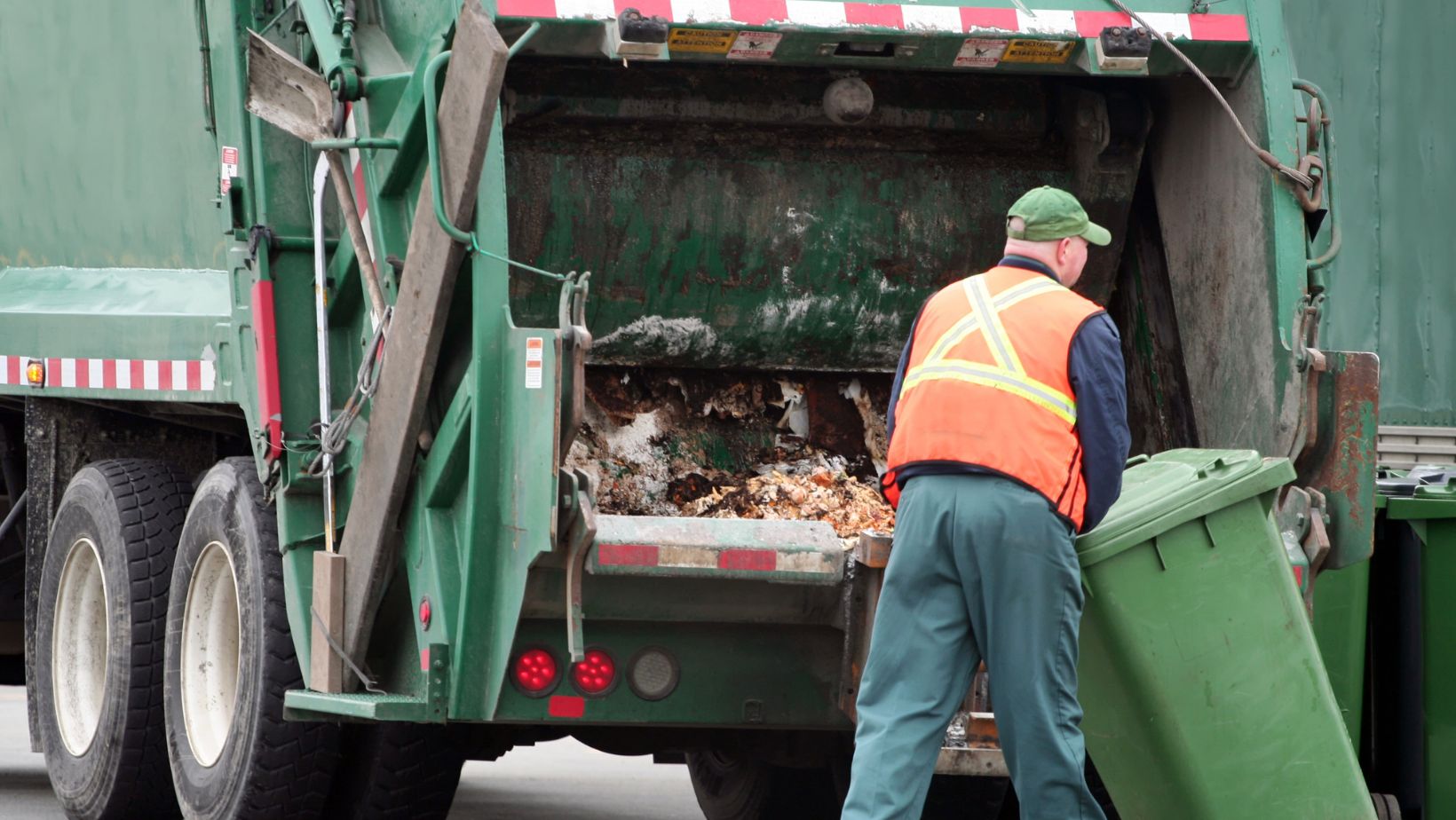
If this stuff ends up in a regular bin, it’s a disaster for our soil and waterways, and it’s a genuine health risk for the community.
The trick to making this work is making it easy; if councils provide clear info and plenty of accessible drop-off points, people are much more likely to do the right thing and keep the nasties out of the environment.
Keeping Landfill as a Last Resort
Even with the best recycling in the world, landfill is still part of the picture for the leftover bits we just can’t recover.
While modern Australian landfills are engineered a lot better than the old tips to try and keep the environmental damage to a minimum, we really shouldn’t be leaning on them.
Every bit of rubbish we can divert away from a hole in the ground is a win. It extends the life of the sites we already have and cuts down on the emissions that come from rotting waste.
The goal is to make landfill the absolute last resort, only used when every other option has been exhausted.
Strategy Five: Education, Policy, and Continuous Improvement
Building Community Awareness
At the end of the day, all the fancy sorting tech in the world won’t work if people don’t know which bin to use.
Education is the foundation of the whole system—when we actually get why it matters and how to do it right, the results follow.
Getting Everyone on the Same Page
Building “waste literacy” isn’t just a job for the government; it’s something that needs to happen in our schools, our offices, and our local footy clubs.
In Australia, this works best when the advice is local and practical. Telling someone how to recycle only works if it matches what their specific council actually picks up on a Tuesday morning.
When the education reflects our actual lives and local services, people are much more likely to get on board.
Keeping the System Accountable
We also need clear rules and honest numbers to make sure we’re actually making progress.
Having consistent regulations across different states makes life a lot easier for Aussie businesses trying to do the right thing without getting bogged down in red tape.
On a smaller scale, organisations that actually track what they’re throwing out and what they’re diverting are the ones that find the best ways to innovate and save money.
If you aren’t measuring it, you can’t fix it
The Bottom Line
Managing our waste properly isn’t a one-off task; it’s a joined-up effort that covers everything from reducing what we buy to recycling right and disposing of the nasty stuff safely.
For households and businesses across Australia, getting this right is about more than just “being green”—it’s about protecting our local environment, staying on the right side of the law, and running a more efficient operation.
As our cities grow and we produce more waste, being proactive is the only way forward.
It’s about building communities that are actually resilient and capable of looking after the place we live for the long haul.