
As the 2026 tax season approaches, staying ahead of deadlines is critical for both U.S.-based taxpayers and Americans living abroad. Early preparation helps avoid last-minute stress, missed deductions, and costly penalties. Knowing when tax documents are available and when you can file is the first step toward a smooth filing process.
This guide highlights the earliest dates you can expect to start filing your 2026 taxes and tips for Americans abroad.
January 2026: Forms Begin to Arrive
- January 15-31, 2026: Most employers, banks, and financial institutions begin issuing tax documents:
- Form W-2: Wage and salary information
- Form 1099-NEC: Nonemployee compensation for freelancers and contractors
- Form 1099-DIV / 1099-INT: Dividends and interest income
- Form 1099-B: Brokerage and investment transactions
- Form 1099-K: Payments from platforms (e.g., PayPal, Stripe)
- Form W-2: Wage and salary information
These forms are crucial for accurately reporting income and claiming deductions or credits. Many financial institutions allow early electronic access in mid-January.
Mid-to-Late January: IRS Opens e-Filing for 2025 Tax Returns
- The IRS typically opens e-filing in late January, allowing taxpayers to submit Form 1040 and supporting schedules as soon as all W-2s and 1099s are received.
- Filing early can:
- Accelerate refunds
- Reduce the risk of identity theft or refund fraud
- Provide extra time if additional documentation is needed
- Accelerate refunds
For taxpayers claiming credits like the Child Tax Credit or Earned Income Credit, filing early is particularly advantageous.
February 2026: Foreign Income Forms and Adjustments
- U.S. expats may receive foreign income statements or other documentation later than domestic forms.
- Ensure you have:
- Records of foreign wages
- Bank statements for interest and dividends
- Cryptocurrency exchange reports
- Records of foreign wages
- This timing is critical for Americans claiming Foreign Earned Income Exclusion (FEIE) or Foreign Tax Credit (FTC).
Important Dates for U.S. Expats
Americans living abroad have special extensions:
- April 15, 2026: Standard federal tax deadline for most taxpayers
- June 15, 2026: Automatic two-month filing extension for expats living outside the U.S.
- October 15, 2026: Final extended deadline if Form 4868 is filed
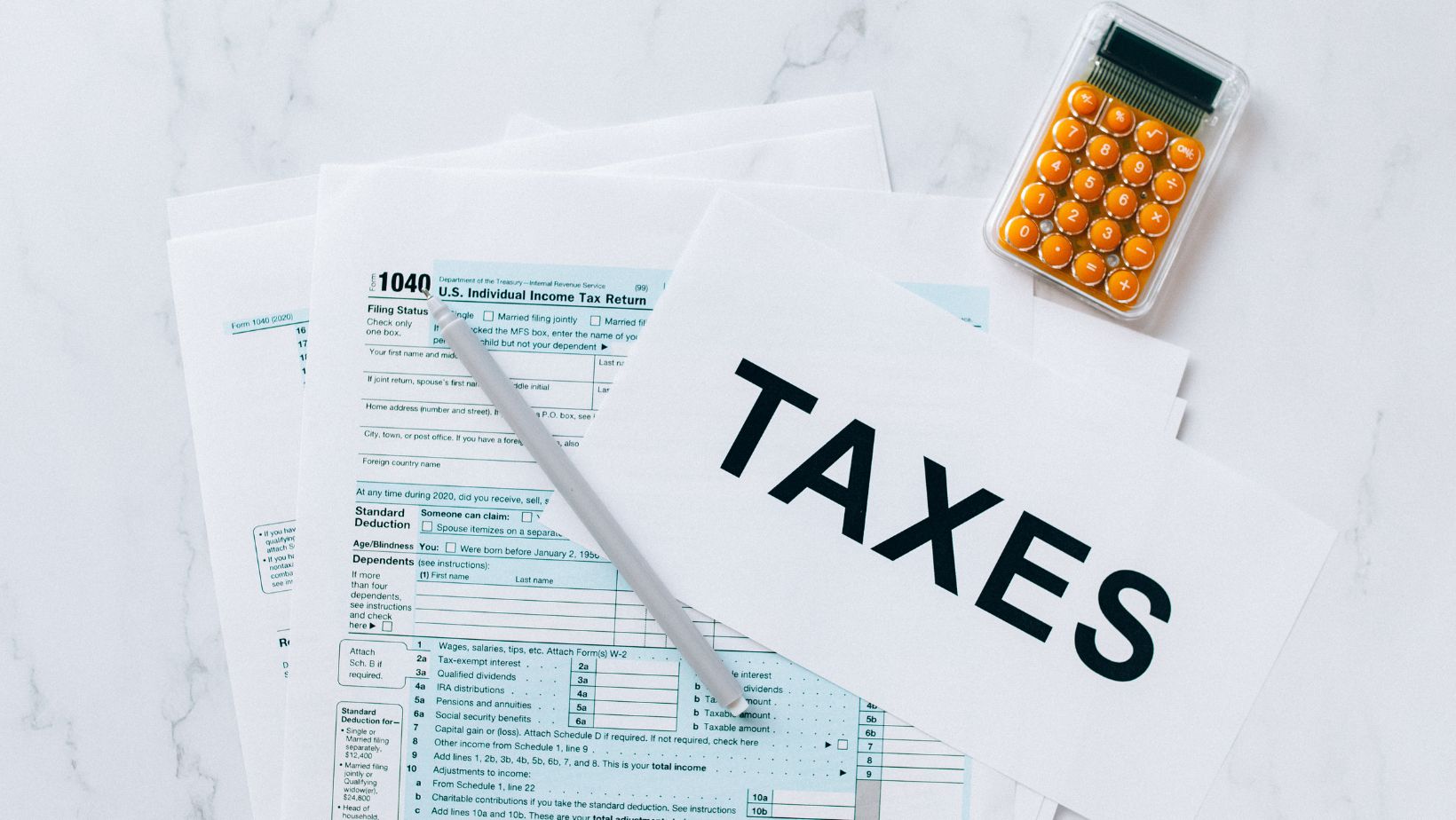
Early preparation allows expats to meet FBAR, FATCA, and other foreign reporting requirements without stress.
Quarterly Estimated Taxes
Self-employed taxpayers, freelancers, and investors should also note estimated tax payment schedules:
| Quarter | Payment Due Date | Period Covered |
| Q1 | April 15, 2026 | Jan–Mar 2026 |
| Q2 | June 15, 2026 | Apr–May 2026 |
| Q3 | Sept 15, 2026 | Jun–Aug 2026 |
| Q4 | Jan 15, 2027 | Sept–Dec 2026 |
Paying early or on time reduces penalties and interest.
Tips for Early Filing in 2026
- Gather all income documents early (W-2s, 1099s, foreign income statements)
- Organize deductions and credits (mortgage interest, education, medical, childcare, donations)
- Track foreign income and assets for expats (FBAR, FATCA, Form 8938)
- Verify tax software or preparer availability — many tax professionals book early January appointments
- Check IRS announcements — the official opening date for e-filing can vary slightly
Why Filing Early Matters
Filing early in 2026 helps:
- Avoid late fees and penalties
- Protect against IRS identity theft
- Maximize refund timelines
- Ensure compliance for expats with foreign accounts or income
Conclusion
The earliest dates for filing 2026 U.S. taxes generally start in mid-to-late January, once W-2s, 1099s, and other income documents are available. For Americans abroad, knowing the deadlines for extensions, FBAR, FATCA, and estimated payments is critical.
By preparing early, gathering all necessary documents, and consulting a tax professional if needed, taxpayers can ensure a smooth 2026 filing season while avoiding last-minute stress or penalties.