
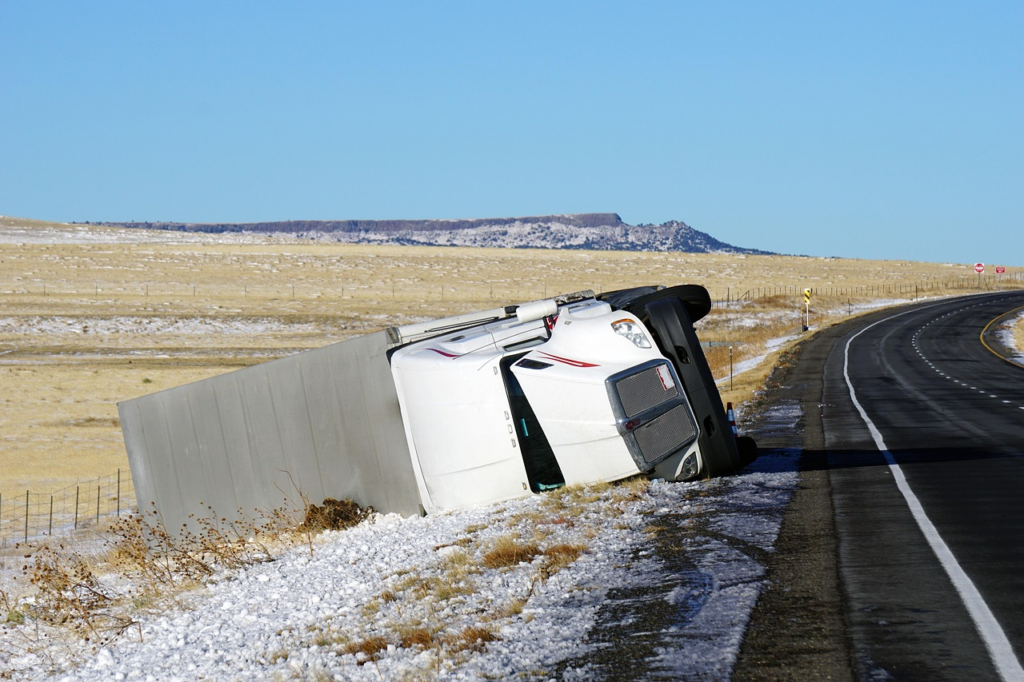
Imagine one of your primary delivery vehicles is sidelined after a collision on a busy interstate. Beyond the immediate wreckage, the looming threat of personal injury claims or a complex lawsuit could jeopardize your company’s entire quarterly profit. Such incidents create a financial ripple effect that often ends in a high-stakes courtroom battle with an insurance provider.
Let’s see how the expenses stack up.
The Immediate Price of Property Damage
There are more than 1,100 non-injury large truck crashes every day across the country that result in significant property damage. When a trailer is mangled or a specialized engine is ruined, the repair bills represent only the visible tip of a very large financial iceberg.
Small fleets often operate on thin margins, meaning the sudden loss of a vehicle can halt operations for weeks while waiting for insurance adjusters to finalize their estimates.
Rising Premiums and Regional Risks
Insurance carriers are recalibrating their risk models, and a single at-fault accident can trigger a permanent shift in your overhead costs. Liability premiums are already climbing at an aggressive rate. And with a history of claims, it becomes difficult to secure competitive quotes during renewal periods.
That’s particularly true in high-traffic zones, where the probability of a multi-vehicle pileup remains high throughout the year.
And that makes legal guidance paramount
Let’s say the crash happened in transit on a road like the often freight-intensive I-710 in LA. A recent guide by Los Angeles County, CA truck accident lawyers discusses why speaking with insurance companies without legal guidance can sometimes backfire.
While the repercussions are worse for injured victims, approaching insurers solo can lead to statements being used against the business to deny or devalue a legitimate claim. Navigating dense metropolitan markets requires a specific understanding of how local liability laws interact with commercial policies.
Hidden Costs of Operational Downtime
When a truck is out of service, the business continues to pay fixed costs without generating any corresponding revenue. You still have to cover the driver’s salary, the remaining lease payments on the vehicle, and the administrative time spent managing the fallout of the crash.
The secondary impacts of a collision often include:
- Lost revenue from missed delivery windows or canceled contracts
- Expenses related to hiring and training a replacement driver
- Higher deductibles on future policies due to a tarnished safety record
Damaged freight can also lead to immediate production delays for your clients, resulting in expensive contractual penalties and a permanent loss of professional trust. Maintaining a backup plan for logistics is essential, as the comprehensive cost of a single non-injury crash can exceed $49,000 when accounting for property damage and traffic congestion. This figure does not even touch the potential for long-term brand damage if a major client loses faith in your reliability.
Calculating the Impact on Profitability
For a fleet of five to twenty trucks, a major accident can wipe out the annual net profit of two other functioning vehicles. Small businesses must account for the loss of use claims that third parties might file against them, which can include the lost wages of other drivers involved in the wreck.
It is a heavy burden, the numbers are rising, commercial transportation requires constant vigilance. Great leaders learn from mistakes, but proactive measures like installing telematics or investing in advanced driver training programs are no longer optional luxuries.
Data suggests that commercial auto liability premiums increased by double digits recently, proving that the price of safety is far lower than the price of a mistake.
Protecting Your Business Future
Understanding these diverse financial pressures allows you to implement smarter safety protocols before a crisis occurs. With the potential expenses and how they accumulate in mind, it becomes easier to keep your company resilient against sudden accident-related operational disruptions.
Businesses dealing with the aftermath of a serious collision often need to coordinate closely with insurers, adjusters, and legal advisors to resolve liability and protect their financial position.