Freebies are a powerful way to convert people into loyal customers. Brands like Coca-Cola and Procter & Gamble trialled this strategy back in the 1880s, and ever since then, it’s been a valuable way for brands to generate buzz while converting people into loyal customers.
Types of Effective Freebies
Businesses can leverage a wide range of offerings. Amazon, for example, offers a rotating range of free eBooks and audiobooks to Prime members. Marketers also offer free market research as a way to increase their email lists, and businesses like Krispy Kreme offer free doughnuts if it’s your birthday. Freebies can also come in the form of free trials.
By offering limited access to a specific service, it’s possible to gain long-term customers. Platforms like Netflix use this tactic regularly. iGaming sites also offer daily free spins to encourage engagement. The user gains real value, whether that’s a free scratchcard, spins, or game bonuses. By varying the reward and making it random, businesses create loyalty and make engagement more interactive compared to simply signing up.
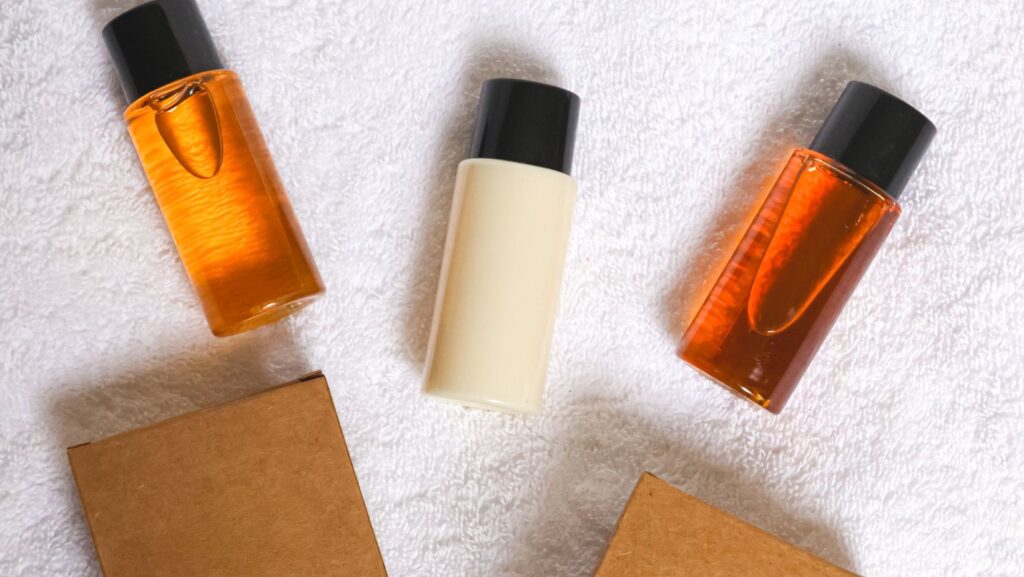
Studies show that 81% of people enjoy receiving free samples. Since they are more impactful than other marketing tactics, they are a great investment for those who want to not only stand out but also drive word-of-mouth marketing.
Best Practices for Offering Freebies in 2026
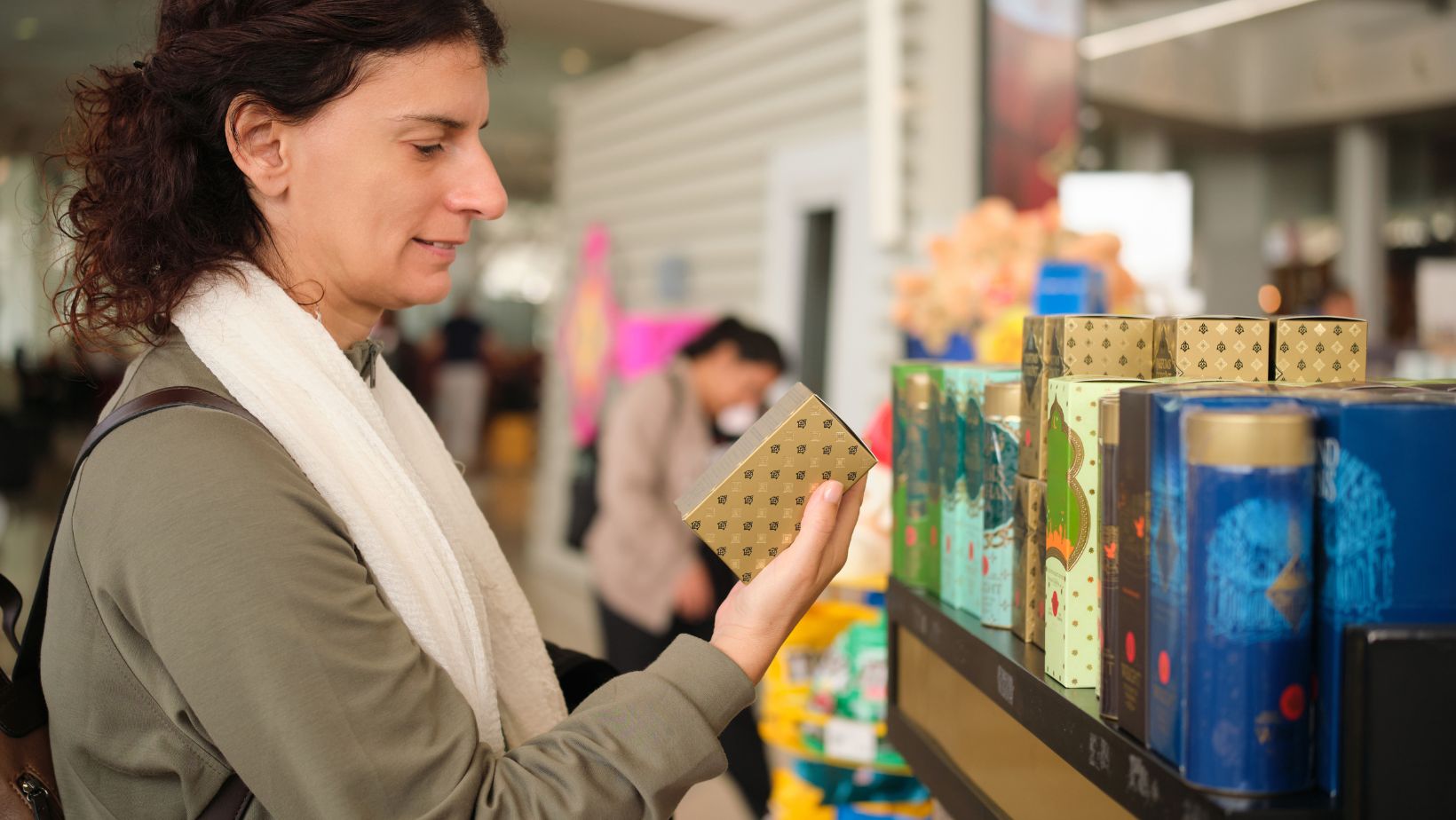
While freebies can be an effective strategy, you do have to make sure that your offering is relevant. It should also align with your core products. Quality matters too, even with freebies. If you give away something that’s poor quality, breaks easily, or doesn’t represent your brand, this will ultimately deter people from buying from you at a later date.
If you’re concerned about devaluing your brand by giving away free products, then loyalty programs work well here. Giving someone a free product when they have generated enough points or made eligible purchases is a good way to strengthen the connection with your customer loyalty without diluting brand value by giving away freebies.
Recent studies also show that people who try a product are 60% more likely to purchase it later as well, showing how, even though businesses may lose out initially, the potential for a return on their initial investment is quite high.
If you have a product, then demonstrations can be a valuable way to drive customer loyalty. High-intent demos often reach engagement rates of up to 85% with an average completion rate of 35%, showing how impactful they can be if you know your target audience well enough.
On a final note, token gestures can also be an effective strategy, and can include informational leaflets from the demo, along with a discount code. This allows people to go away and contemplate their decision as to whether or not they want to make a purchase, which is great if you’re selling expensive or luxury items that require substantial investment.
Freebies don’t always mean giving away a product; if you get creative, you should find that they’re a valuable way to connect with your audience.