There’s an idea pushed by marketers in the technological realm that the best systems you can buy are usually the most expensive. To get the best experience, you need the fastest, you need the most powerful, you need the most visually impressive, and you need to spend the most money. While it’s absolutely true that faster systems can be preferable in some cases, the divide between cost and productivity often isn’t so black and white.
In the real world, finding the best platform for any work system is a much more individualized process. Not every system is equally suited to every task, and even differences between users can generate considerable variance in productivity. Not taking these elements into account can cause serious issues, which is why they need to be addressed proactively.
A Point of Usability
The first question that you need to ask before investing in any hardware devices for a business is its function. The most expensive systems might be able to perform well in almost all areas, but they might not need to.
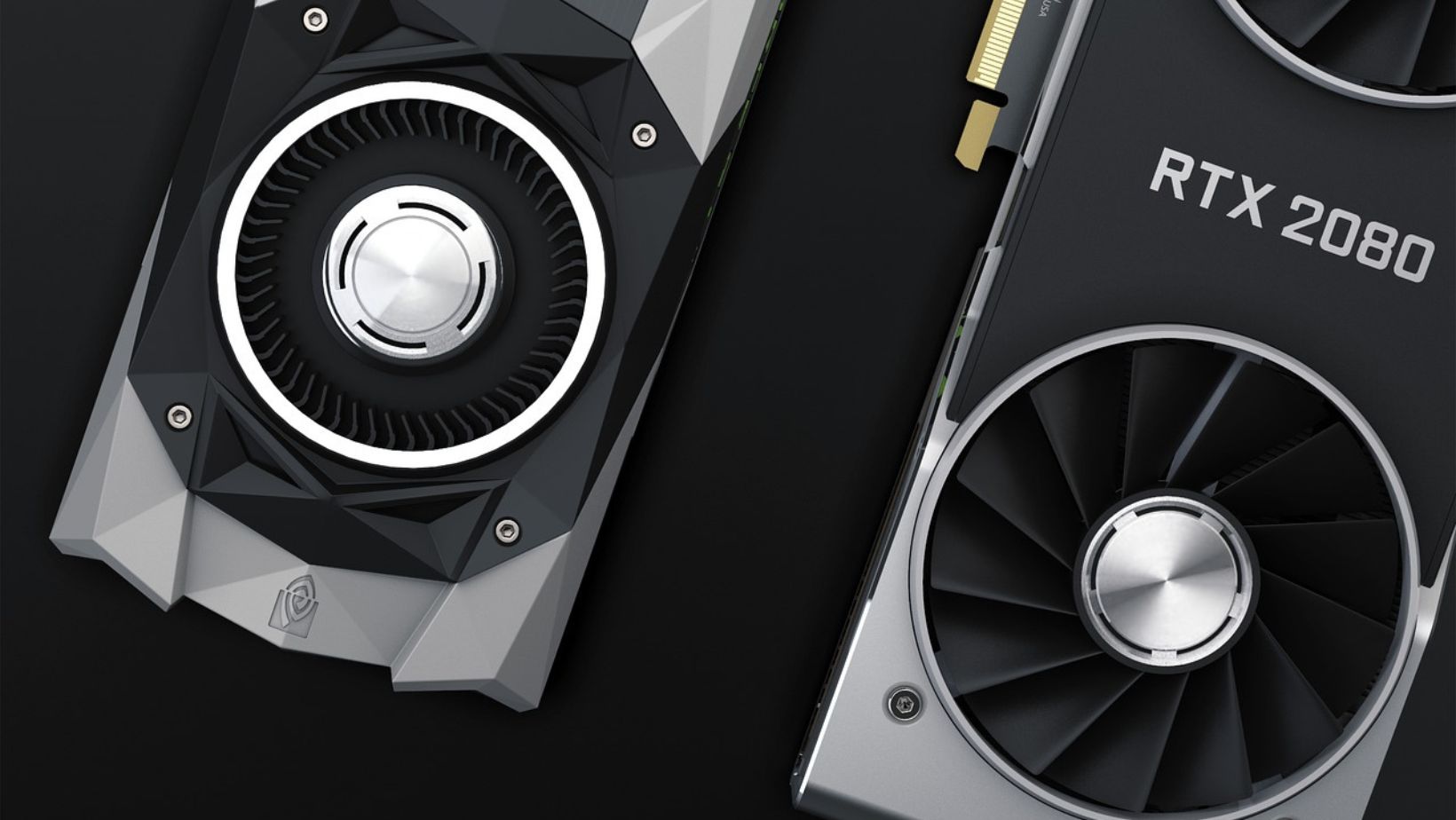
For a demonstration of this, consider a system that is used entirely for Word and Excel documents. A system like this would have no use for an expensive discrete graphics card, as it could work perfectly from a less-powerful integrated graphics chip. Since graphics cards can easily cost hundreds of even over a thousand dollars, going further in a system like this is wasting money that might be better served elsewhere.
It’s similarly important to keep in mind the individual requirements of the users, and the systems with which they’re familiar. If you have someone on a team with years of experience on a slightly slower system, changing to a faster system with a different set of tools can reduce work efficiency. This is why, when possible, it’s important to discuss with team members the exact systems and software they use before making an upgrade, so everyone knows exactly what they’re working with.
Weighing Diminishing Returns
While devices do tend to get more powerful the more expensive they are, the cost-to-performance ratio doesn’t scale linearly. Consider Nvidia’s RTX 5080 and 5090 graphics cards and their MSRP. The launch price of the 5090 is twice that of the 5080, yet it doesn’t even come close to offering double the performance.
What this means is that, for each piece of software, it’s important to look at demands and then which piece of hardware falls within the appropriate cost/performance bracket. Finding exactly where this line is can be tricky, especially because not every piece of business software is benchmarked in a way that can easily be searched.
In these cases, it can help to find analogous use-cases and run them on test systems as a baseline. Consider if a system is being used for light online software interactivity, as an example. Something like online casino gaming could serve as a viable tool here to test system performance. Online casinos in the United Kingdom offer low-demand games like Premium Blackjack and Jacks or Better, which demonstrate the relatively modest performance requirements of a system like a front-desk or reception computer. Similarly, any system built for advanced 3D graphics could be tested in Unreal Engine projects first, to find a baseline.

The final piece of advice we’d have for anyone looking to upgrade their computer systems is to see if you can rent or find a test unit first, to see how it fits with your business. Issues might not appear until your staff has hands-on experience, where any negative outcomes at this point can be even more costly. Take your time, weigh your options carefully, and you’ll be far more likely to find the right product in the right price bracket for the best productivity possible.