
A well-kept yard can be a source of pride and a great place to relax, but keeping it that way requires some effort. Without the right equipment, seasonal cleanup can feel like an overwhelming chore.
Having a core set of yard tools not only saves you time and energy but also helps you get better results, turning a dreaded task into a satisfying project. Whether you’re dealing with fallen leaves in autumn, storm debris in the summer, or spring overgrowth, this guide covers the essential tools every homeowner should have on hand.
From leaf blowers to trimmers, understanding the proper use and maintenance of these items is crucial for a pristine yard, especially when considering essential lawn care tools like a reliable mower.
The Basics: Must-Haves for Every Yard
Before you get into powered equipment, you need a solid foundation of manual tools. These are the workhorses of any yard cleanup, and investing in quality versions will pay off for years. Don’t underestimate their importance; for many small to medium tasks, these are all you’ll need.
First on the list are durable gardening gloves. They protect your hands from blisters, cuts, and dirt. Look for a pair that fits well and is made from a material suited to your typical tasks, like leather for heavy-duty work or coated fabric for better dexterity.
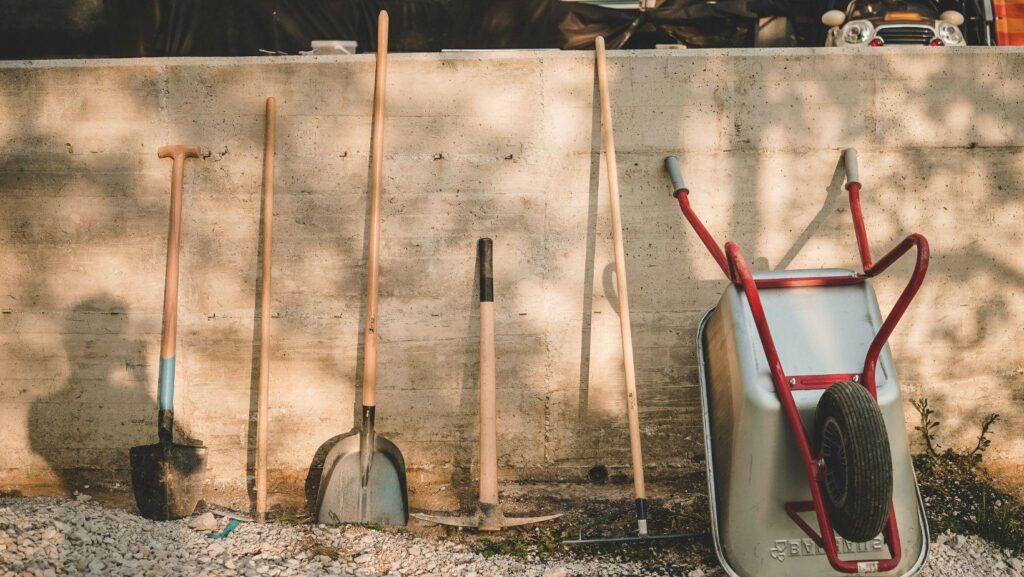
Next is a sturdy wheelbarrow. It’s indispensable for hauling everything from mulch and soil to weeds and branches. A good wheelbarrow saves your back and cuts down on the number of trips you have to make across the yard.
Of course, no yard tool collection is complete without a few good rakes. You’ll likely need two types:
Finally, a few large tarps are surprisingly useful. You can rake leaves directly onto a tarp to easily drag them to a compost pile or curbside. They are also great for protecting plants during a project or containing soil when you’re digging.
Tackling Overgrowth and Debris
Trees and shrubs can quickly get out of hand, and storms can leave your yard littered with fallen branches. Managing this type of overgrowth and debris requires tools with a bit more cutting power. For smaller branches and stems up to about an inch in diameter, a pair of handheld pruners is perfect. For anything thicker, up to two inches, you’ll want a pair of loppers, which offer longer handles for better leverage.
When you’re dealing with larger limbs, fallen trees, or significant pruning jobs, you’ll need more power. A good quality chainsaw is an invaluable tool for homeowners with mature trees on their property. It can make quick work of cutting fallen branches into manageable sizes for disposal or for use as firewood.
Modern options are much more user-friendly than older models, with electric and battery-powered versions offering a great balance of power and convenience without the hassle of mixing fuel. Safety is paramount, so always be sure to wear appropriate protective gear, including eye protection and heavy-duty gloves, when operating one.
For branches that are too high to reach safely from the ground, a pole saw is a much safer alternative to climbing a ladder. It’s essentially a small saw on an extendable pole, allowing you to trim high branches while keeping your feet firmly on the ground. This tool is a must for maintaining the health and appearance of tall trees and preventing hazardous, low-hanging limbs.
Keeping Lawn Edges and Surfaces Tidy
A mowed lawn looks good, but clean edges and clear pathways make it look professionally manicured. This is where detailing tools come in. They handle the finishing touches that elevate your yard’s appearance from “done” to “dazzling.” These tools are designed to work in places your lawn mower can’t reach, ensuring a neat and uniform look throughout your property.
A string trimmer, also known as a weed whacker, is essential for cutting grass and weeds along fences, walls, and garden beds. It creates a crisp line where the lawn meets other surfaces. For an even sharper edge along sidewalks and driveways, a dedicated lawn edger is the tool of choice. While some string trimmers have an edging function, a standalone edger often provides a cleaner, more vertical cut for that perfect, defined border.
After all the trimming, edging, and mowing, you’ll be left with grass clippings and other debris on your driveway, patio, and walkways. A leaf blower is the fastest way to clean these surfaces. Instead of spending time with a broom, you can blow all the clippings back onto the lawn in seconds. Modern battery-powered leaf blowers are lightweight, quiet, and powerful enough for most residential needs, making cleanup quick and easy.
Power Up: When to Choose Electric or Gas Tools
Many essential yard tools are available in gas-powered, corded electric, and battery-powered models. Choosing the right power source depends on your property size, budget, and personal preferences. Each type has distinct advantages and disadvantages that can influence your workflow.
- Corded Electric Tools: For smaller yards, corded tools are an affordable and reliable choice. They are lightweight, require virtually no maintenance, and offer consistent power without any emissions. The obvious drawback is the limited range of the extension cord, which can be cumbersome to manage and potentially hazardous if not handled carefully.
- Battery-Powered Tools: Offering the best of both worlds, cordless battery-powered tools combine the mobility of gas with the low maintenance of electric. Recent advancements in battery technology have made them powerful enough for most residential tasks. Many brands offer an interchangeable battery system, allowing you to use the same battery for a whole suite of tools, from your trimmer to your leaf blower. The main considerations are runtime and the initial cost, which can be higher than corded models.
Seasonal Cleanup and Specialized Gear
Beyond the year-round essentials, some tools are particularly useful for specific seasonal tasks. Having one or two of these specialized items can make a huge difference during major cleanup efforts in the spring and fall.
A pressure washer is fantastic for spring cleaning. It can blast away a winter’s worth of dirt and grime from your deck, patio, siding, and walkways. It’s also great for cleaning outdoor furniture and prepping surfaces for painting or staining. You can rent one for a weekend project, but if you find yourself needing one every year, owning a small electric model can be a cost-effective investment.
For lawn enthusiasts looking to improve the health of their turf, a dethatcher or an aerator can be a great addition. A dethatcher uses rotating tines to remove the thick layer of dead grass and roots (thatch) that can prevent water and nutrients from reaching the soil.
An aerator pulls small plugs of soil from the lawn, which reduces soil compaction and allows air, water, and fertilizer to penetrate deeper. These tasks are usually done in the spring or fall and can significantly improve the lushness of your grass.
Smart Storage and Maintenance for Your Tools
Investing in good yard tools is only half the battle; you also have to take care of them. Proper storage and regular maintenance will extend the life of your equipment, ensure it works safely and efficiently, and save you money on replacements. A few simple habits can make all the difference.
Always clean your tools after each use. Scrape off any caked-on mud from shovels and rakes, and wipe down blades on pruners and loppers. This prevents rust and stops the spread of plant diseases. For powered equipment, use a brush or compressed air to clear grass clippings and debris from vents and cutting heads.
Keeping cutting edges sharp is also crucial. A dull blade tears grass and branches instead of cutting them cleanly, which can damage your plants and put unnecessary strain on your tool’s motor. You can use a simple file to sharpen pruners, shovels, and mower blades yourself, or take them to a professional for a tune-up once a year.
Finally, find a dedicated storage spot. A dry, organized space in a garage or shed protects tools from the elements. A pegboard or wall-mounted rack system is a great way to keep everything visible and easily accessible. Following these basic tool care tips ensures your gear will be ready to go whenever you need it.
Taking care of your yard is an ongoing process, but with the right set of tools, it becomes a much more manageable and even enjoyable part of homeownership. You’ll be able to tackle any cleanup project efficiently and keep your outdoor space looking its best all year long.