
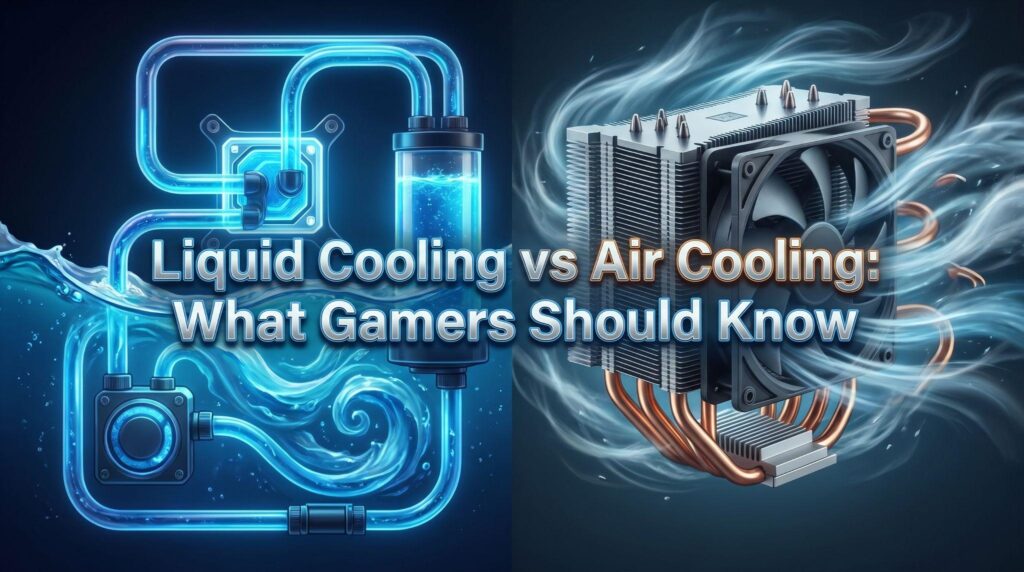
High-performance gaming generates heat that impacts hardware stability and longevity. Choosing the right thermal management system https://hypercyber.com/collections/liquid-cooled-pcs helps maintain peak clock speeds and prevents thermal throttling. Gamers typically choose between air and liquid cooling based on their specific hardware requirements and aesthetic preferences.
Air Cooling: Reliability and Simplicity
Air coolers consist of a metal heatsink, heat pipes, and one or more fans. The heat pipes transfer thermal energy from the CPU to the aluminum fins, where the fans dissipate it into the chassis. This technology is popular because it lacks complex moving parts beyond the fans themselves.
Several factors make air cooling a solid choice for most builds:
- Simple installation process requiring minimal technical knowledge.
- Lower cost compared to most liquid cooling alternatives.
- Zero risk of leaks or liquid damage to internal components.
- Long-term reliability as fans are the only point of failure.
These systems work best for mid-range processors that do not reach extreme temperatures. Many enthusiasts prefer high-end air coolers because they provide performance similar to entry-level liquid units without the added complexity of a pump.
Liquid Cooling: Maximum Performance for High-End Builds
All-in-one (AIO) liquid coolers use a closed loop containing a pump, liquid coolant, and a radiator. The pump sits directly on the CPU, moving the heated liquid to the radiator where fans cool it down. This method is more efficient because liquid has a significantly higher thermal mass and heat capacity than air, allowing it to transport heat away from the processor more effectively.
Gamers often choose liquid cooling for specific advantages:
- High heat dissipation capacity for overclocked or high-core processors.
- Quiet operation during intensive tasks due to larger radiator surface area.
- Better clearance for high-profile RAM modules, which are often obstructed by large dual-tower air coolers.
- Sleek appearance often featuring integrated RGB lighting.
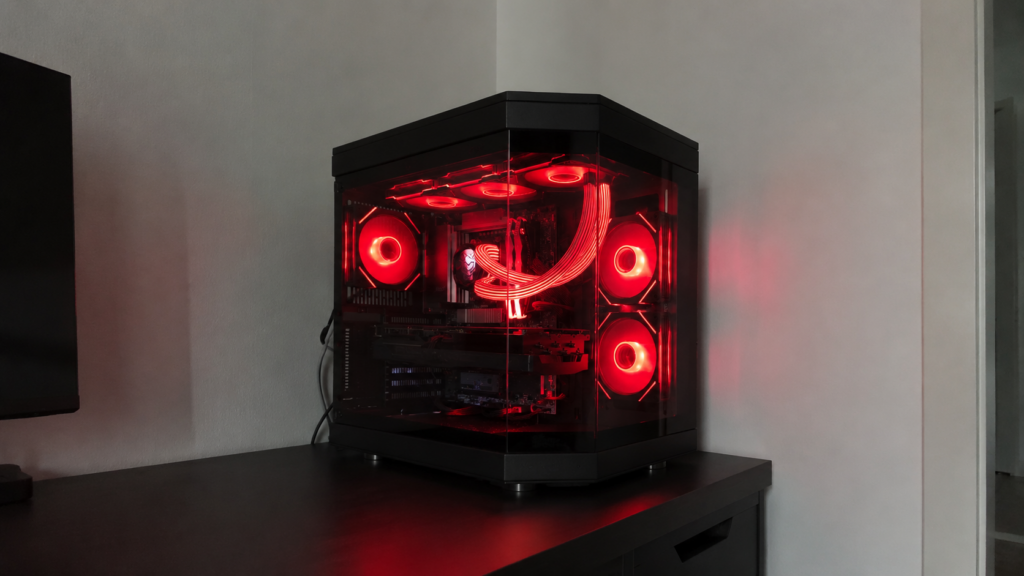
High-performance gaming rigs often feature AIO coolers to manage the heat of powerful i9 or Ryzen 9 processors. These systems allow the hardware to run at maximum boost frequencies for longer periods without performance drops.
Key Factors for Your Decision
Deciding which system to buy requires looking at your case size and the Thermal Design Power (TDP) of your processor. A massive air cooler might block your motherboard slots, while a large radiator might not fit in a small chassis.
Consider these technical specifications before finalizing your purchase:
- Case clearance for the height of the heatsink or radiator size.
- TDP rating of the CPU to match the cooling capacity.
- Fan noise levels measured in decibels for a quiet gaming environment.
- Power connector availability on the motherboard for pumps and fans.
Matching these specs to your specific components prevents installation issues and thermal problems. Modern retailers like Hyper Cyber offer various cooling units that meet these technical requirements for different budget levels.
Maintenance and Long-Term Use
Air coolers require periodic cleaning to remove dust from the fins, which is a straightforward task with compressed air. Liquid coolers are generally maintenance-free if they are AIO units, but they have a finite lifespan. Over several years, the pump might wear out, or a small amount of liquid might permeate through the tubes.
For users prioritizing longevity and minimal maintenance, air cooling remains the gold standard. Users who prioritize low temperatures and a modern look will find liquid cooling worth the investment. Both options effectively protect your hardware if they are sized correctly for the thermal load. Selecting a quality unit from a reliable source like Hyper Cyber helps maintain a stable and cool gaming environment for your PC components.