
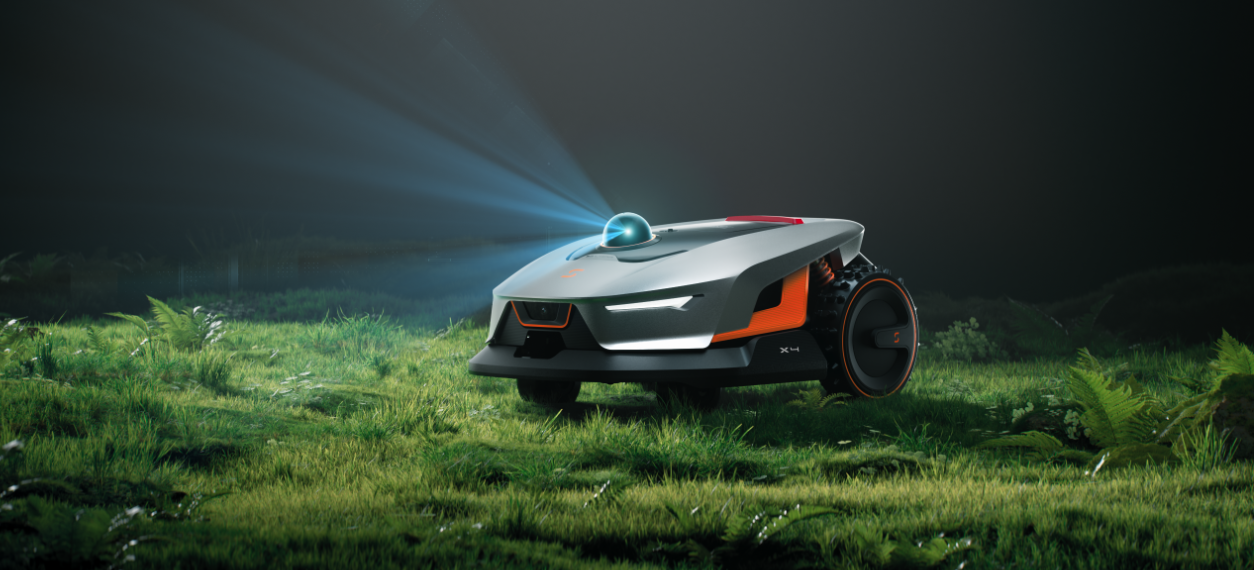
Robotic Sunseeker Elite X4 mowers now handle far more than simple, square lawns. Many homeowners have irregular yards with several grass sections broken up by patios, driveways, and pathways. These complex layouts raise a clear question: can a robotic mower cover every area reliably, without constant intervention? Modern models use improved navigation, flexible zone settings, and smart apps to move between different lawn sections and keep the entire yard trimmed. Performance depends on the mower’s design, installation quality, and how well you match features to your garden layout. By understanding how multi-zone systems work and which tools they use, you can decide whether a robotic mower suits your specific yard.
Can robotic mowers manage multi-zone lawns effectively?
How multi-zone navigation and routing systems work
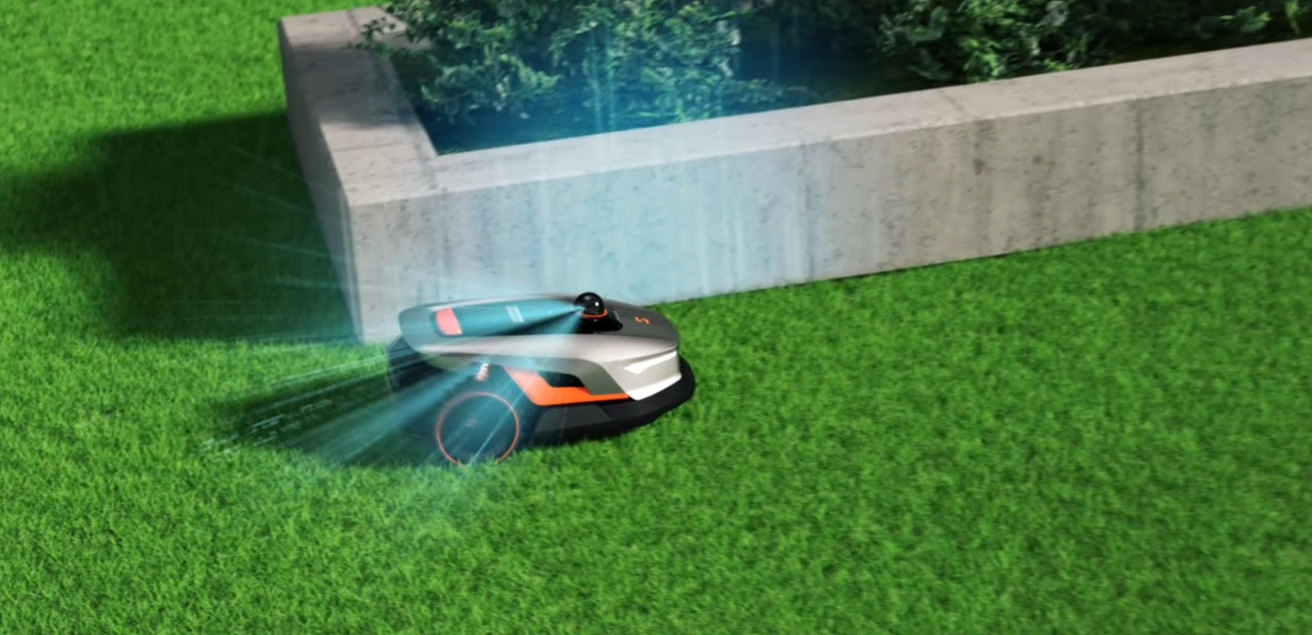
Multi-zone navigation starts with a clear definition of the mowing area. Most robotic mowers rely on a boundary wire that forms a virtual fence, with additional settings in the control panel or app to divide the lawn into zones. The mower follows programmed routines and built‑in algorithms that mix random and systematic paths to avoid missed patches. For multi-zone use, many models support guide wires or special starting points so the mower can reach distant sections efficiently. Some premium mowers use sensors, tilt detection, and obstacle avoidance to keep on track around flowerbeds and trees. Together, these systems help the robot recognize where it can and cannot drive, then adjust its route to cover each defined zone consistently.
Performance across separated and connected lawn areas
Performance on multi-zone lawns depends on how connected the areas are. When sections link through narrow passages or side paths, a well‑installed guide wire and correctly placed charging station help the mower move between them without getting stuck. The robot can then treat the whole property as one extended mowing area, with different start points for better coverage. Separated lawns divided by driveways or tall steps pose more challenges. Many owners choose to set up two docking stations or carry the mower between enclosed zones. Some advanced models store separate zone settings, so they adjust cutting time and patterns for each section while still keeping the grass evenly maintained.
What features support multi-zone lawn mowing?
Boundary wires, guide wires, and zone configuration
Boundary wires remain the core feature for multi-zone mowing. You lay the wire around all grass areas that belong to the same mowing system, including internal islands around trees, ponds, and beds. For complex yards, guide wires or perimeter paths lead the mower from the charging station to remote sections, reducing wandering and saving battery life. Many robotic mowers let you configure zones in their menus or app by setting different start points, entry frequencies, or mowing times. Some models even allow temporary exclusion of a zone, which helps during landscaping projects. When installed carefully with correct wire spacing, these tools give the mower a clear map of where to mow and how to reach each zone.
Smart mapping, GPS tracking, and route optimization
Higher‑end robotic mowers add smart mapping and GPS tracking to handle multi-zone layouts more intelligently. The mower records where it has already cut and builds a virtual map of the lawn. GPS guides it back to the charging station and helps reduce overlaps or missed strips, especially in large or irregular gardens. Some systems combine satellite navigation with onboard sensors and digital compasses to refine positioning. Over time, the mower learns which routes work best between zones and adjusts its movement patterns automatically. This route optimization shortens mowing cycles, improves coverage in narrow or remote sections, and helps the robot avoid repeated problem spots.
App control and scheduling for multiple zones
Modern robotic mowers usually include a companion app that becomes especially valuable on multi-zone lawns. Through the app, you can assign different schedules to each zone, increase mowing time in high‑growth sections, or reduce activity near outdoor seating during busy hours. Some apps allow manual zone selection, so you can send the mower directly to a specific area after garden parties or heavy use by kids and pets. Notifications alert you if the mower gets stuck between zones or leaves the boundary. Integration with smart home systems and weather data lets you pause mowing during rain. This level of control helps keep each zone at the desired height with minimal manual intervention.
How can you optimize robotic mowers for multi-zone lawns?
Setting up zones correctly for full coverage
Successful multi-zone mowing begins with careful planning. Sketch your property and mark each lawn area, including slopes, narrow corridors, and islands around trees or garden features. When laying boundary wire, keep to the distances recommended by the manufacturer from edges, walls, and flowerbeds to avoid uncut strips. Group nearby sections into a single zone if the mower can travel between them without obstacles. Use separate start points for remote corners and adjust their frequency so the mower visits them regularly. Test the mower’s path and watch its behaviour during the first few days. Small tweaks to wire placement and zone settings often deliver much better coverage.
Reducing navigation issues between separated areas
Separated areas will always demand extra attention. If zones connect through a narrow passage, keep the corridor straight and clear of clutter, and make sure the boundary wire leaves enough space for the mower’s wheelbase. Consider using a guide wire from the docking station through this passage so the robot finds it easily. Where hard barriers like steps or high curbs exist, decide whether to create totally independent installations or move the mower manually. Some owners schedule specific days for each zone to avoid constant carrying. Regularly check for new obstacles, like toys or garden furniture, that can block transitions between zones.
Choosing models designed for complex lawn layouts
Not every robotic mower handles multi-zone lawns equally well, so model choice matters. Look for devices that support multiple starting points, guide wires, or flexible zone configuration rather than basic single‑area setups. If your lawn includes long corridors, several separated patches, or steep slopes, prioritise powerful drive systems, good traction, and robust navigation sensors. GPS‑enabled models or those with advanced mapping features cope better with large or irregular gardens and reduce the risk of missed areas. Also check maximum area capacity and battery runtime to ensure the mower can cover all zones within your preferred schedule. Reading real‑world reviews from owners with similar layouts helps confirm performance.
Conclusion
Robotic mowers can work very well on multi-zone lawns when their features match the garden’s complexity and the installation follows best practices. Boundary and guide wires, thoughtful zone configuration, and smart scheduling allow one mower to maintain several connected or semi‑separated areas. Advanced mapping, GPS, and route optimization further improve coverage on large or irregular properties. Homeowners still need to plan routes, clear passages, and occasionally adjust wire placement, especially around obstacles or narrow links between sections. With the right model and setup, a robotic mower can keep all zones consistently trimmed, reduce manual mowing time, and handle complex yard layouts that once seemed suitable only for traditional push or ride‑on mowers.