
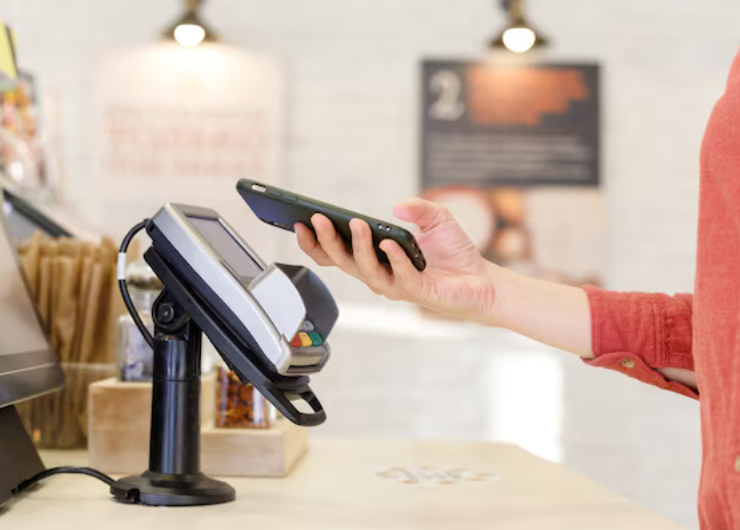
Contactless and digital payments have quickly become a standard expectation in restaurants. Guests now want the flexibility to tap a card, use a mobile wallet, or pay digitally without slowing down the ordering process. For restaurant operators, these payment methods are not just about convenience they also affect speed of service, accuracy, and reporting.
The key is integration. When digital payments connect smoothly with a restaurant’s POS system, transactions become faster, data becomes cleaner, and the overall guest experience improves.
Why Contactless Payments Matter In Restaurants
Restaurants operate on tight margins and high volume. Even a small delay in payment processing can create bottlenecks during busy periods. Contactless payments reduce friction at checkout by speeding up transactions and lowering the chance of errors.
Digital payments also support modern guest expectations. Many customers prefer using mobile wallets or tap-to-pay options, especially in quick-service and fast-casual environments where speed matters.
To support this properly, restaurants need a POS platform that can handle modern payment methods without requiring separate tools or complicated workarounds.
The Role Of The POS In Payment Processing
A POS system does more than record sales. It connects the ordering workflow to payment processing, receipts, and reporting.
When a guest pays, the POS records the transaction details, including order items, tax calculations, discounts, payment type, and timestamps. It then sends payment information securely to a payment processor for authorization.
A modern restaurant pos system is designed to support multiple payment methods while keeping reporting consistent. Whether a guest pays with cash, card, tap-to-pay, or a digital wallet, the system tracks everything under the same operational structure.
How Contactless Payments Work With POS Systems
Contactless payments usually include tap-to-pay cards and mobile wallets such as Apple Pay or Google Pay. When a guest taps their card or phone, the payment device reads encrypted information and sends it through the POS system to the processor.
The POS then confirms whether the transaction is approved and records it in the sales database. From the staff perspective, this feels instant, but behind the scenes it relies on secure encryption and network communication.
When payment devices are fully integrated with the POS, staff do not need to enter amounts manually or switch between systems. The payment amount is sent automatically, reducing mistakes and speeding up checkout.
Why Payment Integration Impacts Reporting
One of the biggest advantages of integrated payments is reporting accuracy. If payment systems are separate from the POS, reconciliation becomes harder. Staff may need to match transactions manually, and errors can occur when payments do not align perfectly with recorded sales.
With integrated payments, the POS automatically tracks payment types and totals. This makes it easier to compare daily sales, calculate cash drawer balances, and review payment trends.
For multi-location restaurants, centralized reporting becomes even more valuable. Operators can track digital payment adoption across stores and identify which locations are seeing higher mobile wallet usage.
How Digital Payments Connect With Kitchen Operations
While payment and kitchen workflows may seem separate, they are connected through the POS.
When a payment is processed, the POS confirms the transaction and ensures the order status is logged correctly. In many setups, orders are sent to the kitchen as soon as they are confirmed, allowing preparation to begin quickly.
A POS integrated with a kitchen display system helps ensure this flow stays consistent. Orders move digitally from the front counter to the kitchen display without delays. Staff can focus on service rather than managing paperwork or double-checking payment confirmations.
In high-volume restaurants, this smooth workflow reduces confusion and keeps the kitchen aligned with order pacing.
Contactless Payments In Drive-Thru Operations
Drive-thru environments depend on speed. Guests expect quick service, and long payment times can slow down the entire lane.
A connected drive thru system can support faster payment workflows by keeping ordering, payment capture, and kitchen communication within the same system environment.
When drive-thru orders flow directly into the POS and kitchen system, payment processing becomes more streamlined. This reduces delays at the window and helps restaurants maintain consistent service times during peak periods.
Drive-thru payment integration also improves reporting. Operators can analyze drive-thru sales performance and payment trends using the same reporting framework as dine-in and takeout channels.
Security And Compliance Considerations
Digital payments require strong security standards. Modern POS platforms typically support encryption and compliance protocols that protect customer payment information.
Contactless payments also offer built-in security advantages, as they often use tokenization. This means the actual card number is not transmitted in plain form, reducing risk during processing.
Restaurants should still ensure that their POS platform follows recognized security standards and that devices are configured properly. Staff training is also important, especially around safe handling of payment devices and secure login practices.
What Restaurants Should Look For In Payment Integration
For restaurants evaluating POS platforms, payment integration should be assessed as part of the overall operational system.
The most effective setups include unified reporting, fast processing speed, support for multiple payment types, and stable hardware compatibility.
Restaurants should also consider how well the POS supports growth, especially when expanding into new locations or adding new service channels.
Final Thoughts
Contactless and digital payments integrate with POS systems by connecting ordering workflows, payment processing, and reporting into one unified platform. When payment devices are fully integrated, transactions become faster, reconciliation becomes easier, and reporting becomes more accurate. With the right POS setup, restaurants can support modern payment expectations while also improving operational efficiency across the kitchen and drive-thru. As guest preferences continue shifting toward digital convenience, seamless POS payment integration is becoming a key part of modern restaurant success.