
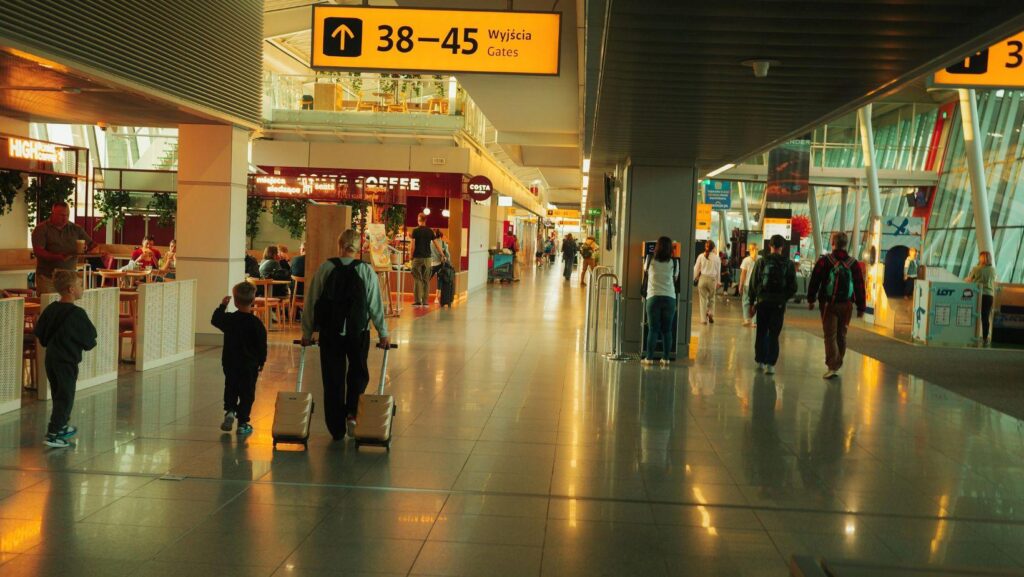
Business travel often feels like a necessary but disruptive part of work. Between flights, hotel check-ins, and unfamiliar cities, it’s easy for productivity to take a nosedive. But with the right approach, these trips can turn from logistical headaches into super-focused work sessions. Making your travel better isn’t about cramming more work into every minute. It’s about working smarter so you can hit your goals without burning out.
This guide will give you practical tips to make your business trips smoother. You’ll learn how to stay productive, organized, and in control from the moment you start planning until you get back home. Using these suggestions will help make every business trip a success.
Strategic Trip Planning
Good business travel starts way before you even head to the airport. Planning ahead is the key to a productive, low-stress trip. The main idea is to make choices that save you time and energy once you’re actually there. A good first step is to book flights and hotels early, and focus on what’s convenient rather than just saving a few bucks. A hotel that’s a 15-minute walk from your main meeting spot is much more valuable than a slightly cheaper one that needs a 45-minute taxi ride.
When you’re putting your schedule together, be realistic about how long travel will take. Use mapping apps to guess how long it’ll take to get between the airport, your hotel, and meeting places. Then, add a little extra time for unexpected delays.
This careful planning is a core part of effective corporate travel planning and helps you avoid the stress of running late. Also, think about flight times. An early morning flight might seem efficient, but if it means waking up at 3 AM, you might arrive too tired to get anything done. A flight later in the morning or afternoon could let you get a full night’s sleep and start your travel day calmly.
Lastly, pack smart. If you can, just bring a carry-on. This saves you time at baggage claim and means you won’t lose your luggage. Get some versatile clothes and packing cubes to make the most of your space. A well-planned trip means fewer bumps in the road, so you can focus your mental energy on the important work.
Streamlining On-Site Logistics
Once you get to where you’re going, smooth logistics are super important to keep things moving. That time between landing and checking into your hotel often feels awkward and unproductive, but it doesn’t have to. If you have a few hours to kill before you can get into your room or after you’ve checked out, your luggage can be a real pain.
Dragging a suitcase to a coffee shop or a lunch meeting looks unprofessional and is just cumbersome. This is where local services can really help. For example, if you’re traveling through a big city, finding a service for bag storage near Seoul Station KTX can free you up to get ready for a meeting or grab a meal without being weighed down.
How you get around is another big piece of the puzzle. Before you travel, look up the best ways to navigate your destination city. In some cities, ride-sharing apps are everywhere and cheap. In others, public transport is faster and works better. Booking an airport transfer ahead of time or understanding the local transit system will save you from making rushed decisions when you arrive.
Also, get to know your immediate surroundings. Figure out where the closest pharmacy, coffee shop, and business services center are. A quick five-minute search before you leave your hotel room can save you 30 minutes of wandering around later. These little preparations remove friction from your day, letting you move through your schedule with confidence and focus. The goal is to make the new place feel as easy to handle as your home base.
Leveraging Digital Tools on the Go
These days, your office can really be anywhere, as long as you have the right digital tools. Technology is your best friend for staying productive while traveling. Before your trip, make sure all your devices are synced up and your essential apps are updated. Cloud storage services like Google Drive or Dropbox are lifesavers, giving you access to all your files from your laptop, tablet, or phone.
Use project management apps like Asana, Trello, or Monday.com to keep track of tasks and work with your team back home. These platforms make sure that being out of the office doesn’t mean you’re out of the loop.
For talking to people, use tools like Slack or Microsoft Teams for quick updates, and save email for more formal stuff. This helps keep your inbox from overflowing and makes sure urgent things get noticed. It’s also smart to use apps that help you travel smarter, not harder, by putting all your travel plans together and tracking expenses.
Looking ahead, cool new things like AI in business travel are going to make these processes even smoother with smart itineraries and automatic expense reports. For now, having a good set of apps can be your mobile command center.
Here are a few must-have tools to think about:
- Evernote or Notion: Great for taking notes during meetings and organizing your thoughts.
- Expensify or Ramp: Makes it easy to scan receipts and track travel expenses for reimbursement.
- TripIt: Gathers all your travel confirmations into one main itinerary.
- A reliable VPN: Keeps your internet safe when you’re using public Wi-Fi.
Minimizing Downtime and Stress
Traveling all the time can really wear you down, both physically and mentally. A big part of making business travel better is actively managing your downtime and keeping stress low. This doesn’t mean working every second. It means being smart about your non-work hours to make sure you stay rested and sharp.
Use your travel time wisely, but be flexible. A long flight can be a chance for some uninterrupted deep work, but it can also be a time to rest, watch a movie, or read a book. Listen to your body. If you’re tired, a short nap is much better than forcing yourself to answer emails. To beat jet lag, try to adjust to the local time zone as quickly as you can. Drink plenty of water, eat good food, and try to get some light exercise, even if it’s just a walk around the block.
Don’t pack your schedule too tight. Building in some extra time between meetings lets you relax and get ready for the next appointment. It also gives you a cushion if a meeting runs long or you hit traffic. If you have a free evening, don’t just stay in your hotel room working. Go explore the city, have a nice dinner, or check out a local attraction. Taking a break from work helps you recharge and makes the travel experience more enjoyable and sustainable in the long run.
Ultimately, productive business travel is all about finding that balance. When you combine careful planning with smart tools and a commitment to your own well-being, you can turn any trip into a valuable and rewarding part of your job.