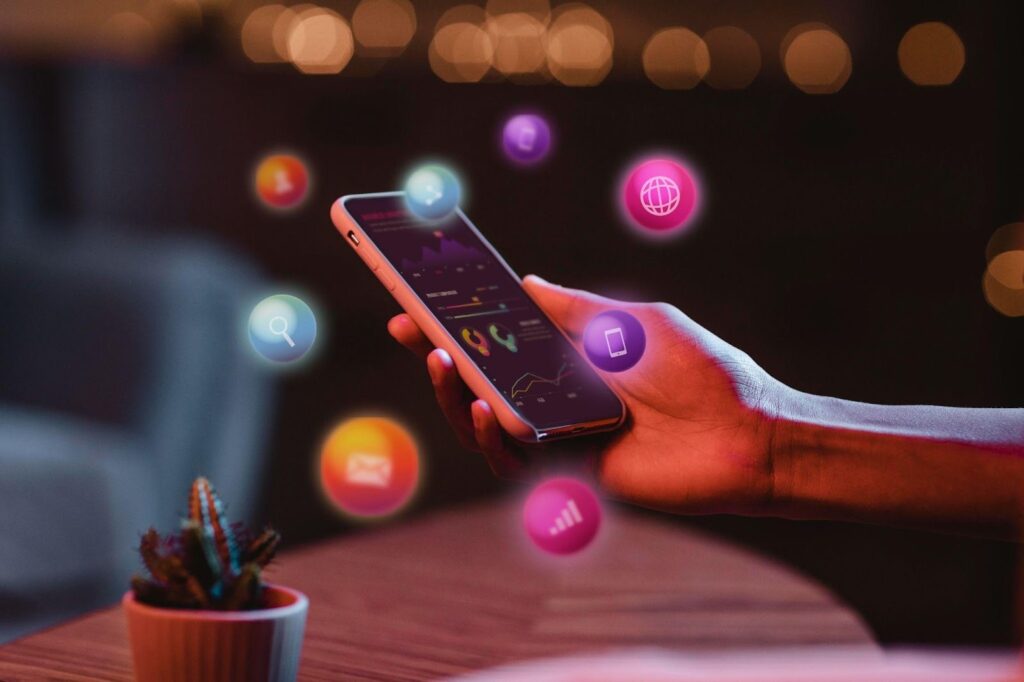
Daily life now fits in a rectangle that fits in a pocket. That small screen takes care of nearly everything. Paying bills, watching shows, finding directions, catching up on messages, reading news, and checking markets. There is an app for each step of the day, and most people just go along with it without thinking twice. All the familiar actions still happen, but they happen through glass now.
Smartphones didn’t just replace tools. They replaced patterns. Apps slowly reshaped decisions, preferences, and attention without any announcements. Some shifts appeared natural, others went by silently. What seemed helpful at first now feels required. The small upgrades that came with every download turned into a complete shift in how people move, spend, and pass the time.
Games, Screens, and Something a Bit More
Games left arcades long ago. Then they left consoles. Now they sit inside apps. Whether it’s a quick puzzle, a long quest, or a high-score challenge, everything sits behind a tap. Mobile games made it easier to fill short breaks and long evenings.
Even traditional setups like tables, boards, or chips followed the same path. What used to stay in back rooms, neon halls, and polished buildings now exists inside polished icons. Through one app, the same card games and slots people once saw in formal casino halls can now be reached at any time.
This includes entire platforms centered around games of chance, where people visit digital tables from their couches. Through interfaces designed to match the look and feel of the originals, casino online platforms made sure the classics never stayed behind. Along with familiar games, the platforms now offer live betting, esports, and a variety of payment methods.
They now function through simple taps and swipes, with visuals that fit screens of all sizes. The familiarity remains. Only the setting changed.
From Taxis to Maps to Taps
Car rides used to require phone calls. Maps used to require folding. These things changed the moment apps arrived. Navigation apps gave real-time directions that shifted with traffic, construction, and weather. There was no more guessing. Instead of reaching for a compass or relying on memory, people began to listen to voices that calmly rerouted them around delays.
These directions feel built-in now. Even a trip to the grocery store follows the blue line. Transport apps followed a similar script. Instead of standing on the curb, people now tap icons, confirm a driver, and check the plate number. The car arrives with the route set and the price clear. These actions happen within seconds, no longer tied to schedules or locations.
Each step works through a layer of automation. Payment completes automatically, tips apply with one tap, and the trip records itself. The app remembers the destinations, the feedback, and the route.
Streams of Music and the Disappearance of Silence
People still listen to music, but they do it without shelves or discs. Instead of albums and CDs, streaming platforms now shape playlists and moods. There’s a mix ready for cooking, driving, walking, or just staying in one spot. The music doesn’t stop unless someone tells it to.
Music apps changed how people discover new artists and return to familiar ones. They also reshaped the structure of songs. Shorter intros, faster hooks, and more singles. These changes respond to how people scroll and swipe, and every decision leaves a mark.
Similar changes came to video. Instead of waiting for broadcast times, people now scroll through suggestions. Streaming services carry full seasons and instant releases, all tuned to match preferences.
Binge-watching replaced channel surfing. A full night now runs on personalized algorithms. Every scene continues the one before. There is no need to leave the couch or adjust the antenna. All decisions now happen through suggestion rows.
These platforms shape their own flow. One series blends into the next. Viewers get used to the pace. The breaks between stories became shorter, and the urge to fill time grew stronger.
The New Window for Work and Skills
Earning a certificate used to involve full classrooms. Now, people earn entire degrees through screens they already use for social feeds and streaming. Learning apps made access simpler and more flexible. Short sessions, recorded lectures, and interactive lessons now fit into evenings and weekends.
These apps brought in systems to track progress, suggest topics, and test comprehension in small pieces. The content moves along with the user. There’s a tab for notes, a space for questions, and a timer that keeps track of daily streaks. These features make the experience feel smooth and goal-oriented.
This kind of learning creates a loop. People return each day because the system keeps things available and clear. Lessons pick up where they stopped. The platform shows reminders and encourages progress. Over time, these digital classrooms became places for languages, coding, photography, marketing, and even personal organization.
Where It All Leads and Why It Happened Quietly
The apps came one by one. A game here. A transport tool there. Over time, each of them changed a small piece of daily life. When all those pieces connected, they reshaped the flow of the day itself. Meals get ordered from apps, meetings happen through screens, and money moves with swipes. People keep track of steps, thoughts, and plans through reminders that beep at the right time.
The key detail is how natural it all felt. There was no single turning point. Every update added convenience. Every feature promised control. Slowly, the expectations shifted. The things people once did with planners, cards, calendars, or conversations now take place in apps that update overnight.
This change is steady and constant. It shapes attention and choice without saying so out loud. The screens glow, the icons stay ready, and the routines adjust. What began with a single download now shapes nearly everything. Every tap continues the story.