

A walk-in door swings open during a packed service, and a line cook spots a temperature reading climbing toward the threshold. The shift instantly tightens because everyone understands how fast a cooler issue can jeopardize product and compliance.
The team studies the shelves, traces the airflow path, and notices how overloaded pans have created pockets of warm air. Solutions start to take shape as they test placement changes, redistribute containers, and realize how small adjustments restore safe, steady cooling. When the night closes with a streamlined organization plan, calibrated thermometers, and a logging routine that gives the kitchen a reliable early warning system, businesses can breath easy.
Why Cold Storage Requirements Matter
Cold holding standards exist because time and temperature create a predictable pattern for bacterial growth. Professional kitchens that incorporate these rules into their operating habits avoid unnecessary waste, maintain food quality more reliably, and reduce the likelihood of costly corrective actions after inspections.
Required Temperatures for Safe Cold Holding
Health codes across the country point toward a consistent threshold for cold holding, which keeps perishable items at or below forty one degrees Fahrenheit. That target serves as a safeguard against rapid microbial activity. Consistent monitoring is essential, and accuracy depends heavily on dependable equipment.
Many operators look at commercial refrigeration units at Restaurant Supply when comparing NSF-listed models that maintain steady, code-compliant temperatures. Considering these options during upgrades often positions a kitchen for stronger performance during surprise checks.
Storage Hierarchy That Prevents Cross Contamination
Temperature alone does not protect food. Inspectors also evaluate how everything is arranged. A clear hierarchy prevents raw product from contaminating ready-to-eat items. Staff training becomes easier when shelves reflect a fixed pattern that remains unchanged across shifts.
Kitchens that pass audits consistently follow practices such as:
- Placing raw poultry on the lowest shelves
- Storing raw meat above poultry but beneath ready-to-eat items
- Keeping seafood above red meat due to lower cook temperatures
- Positioning dairy, salads, and washed produce on top shelves
- Using clear shelf labels for quick guidance during busy service
Holding Times and Rotation Standards
Cold storage rules extend beyond how food sits inside a cooler. They also address how long those items remain there. You’ll need to track everything to keep growing your healthy business.
Common rotation habits include:
- Following first in first out for all stored ingredients
- Discarding ready-to-eat foods held longer than seven days at safe temperatures
- Documenting time stamps for housemade sauces, dressings, and marinated items
- Reviewing logs during manager walkthroughs
- Keeping date marking consistent across every shift
Choosing Cold Storage Equipment That Meets Code
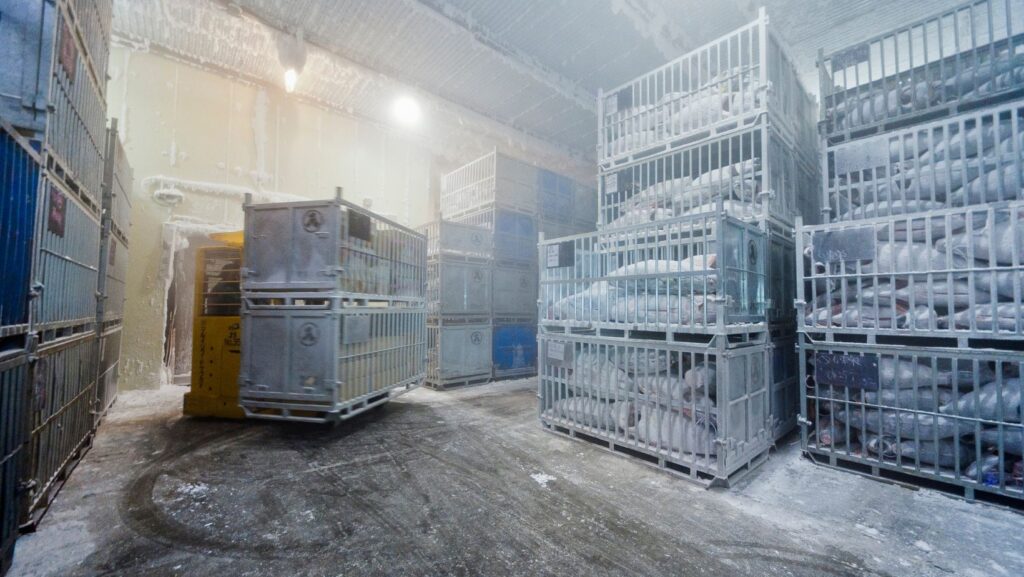
Health codes do not require specific brands, but they do expect equipment to hold temperature consistently under realistic kitchen conditions. NSF-listed models help operators meet that expectation because they are designed to support both sanitation and internal temperature recovery.
When evaluating refrigerators or freezers, operators often compare:
- Recovery time during frequent door openings
- Shelf layouts that support safe storage hierarchy
- Compressor strength in warm or crowded kitchens
- Energy usage relative to long-term operating budgets
- Ease of cleaning and routine service access
Daily Logging Practices That Pass Inspections
Logs demonstrate that safe cold storage is not a once a day routine. Inspectors review logs to confirm ongoing vigilance. Teams that produce clear, consistent records typically move through audits with confidence.
Daily documentation often includes:
- Air temperature readings recorded at scheduled intervals
- Internal temperatures for poultry, dairy, and other high-risk items
- Time stamps showing when food shifts from prep areas into cold holding
- Corrective actions taken when temperatures drift above acceptable limits
- Maintenance notes for any unit showing irregular patterns
A Practical Checklist for Multi-Site Consistency
A checklist helps operators maintain the same standard across busy kitchens, new hires, and different shifts. It also helps regional leaders confirm that each location follows a unified cold storage program.
A practical checklist often covers:
- Confirmed temperatures at or below forty one degrees Fahrenheit
- Calibrated thermometers stored in every unit
- Clearly defined storage hierarchy with visible shelf labels
- Accurate date marking and discard labels
- Consistent log reviews during manager walkthroughs
- Clean gaskets, secure seals, and unobstructed airflow
- Updated maintenance records for every cooler or freezer
- Controlled thawing practices for all proteins
Cold Storage: Now You Know
Cold storage requirements sit at the center of regulatory food safety. Kitchens that treat them as everyday standards, rather than reactive tasks, protect both their ingredients and their bottom line. With consistent training, reliable equipment choices, and disciplined monitoring, teams create a cold holding program that performs well during every service period and every health inspection.