
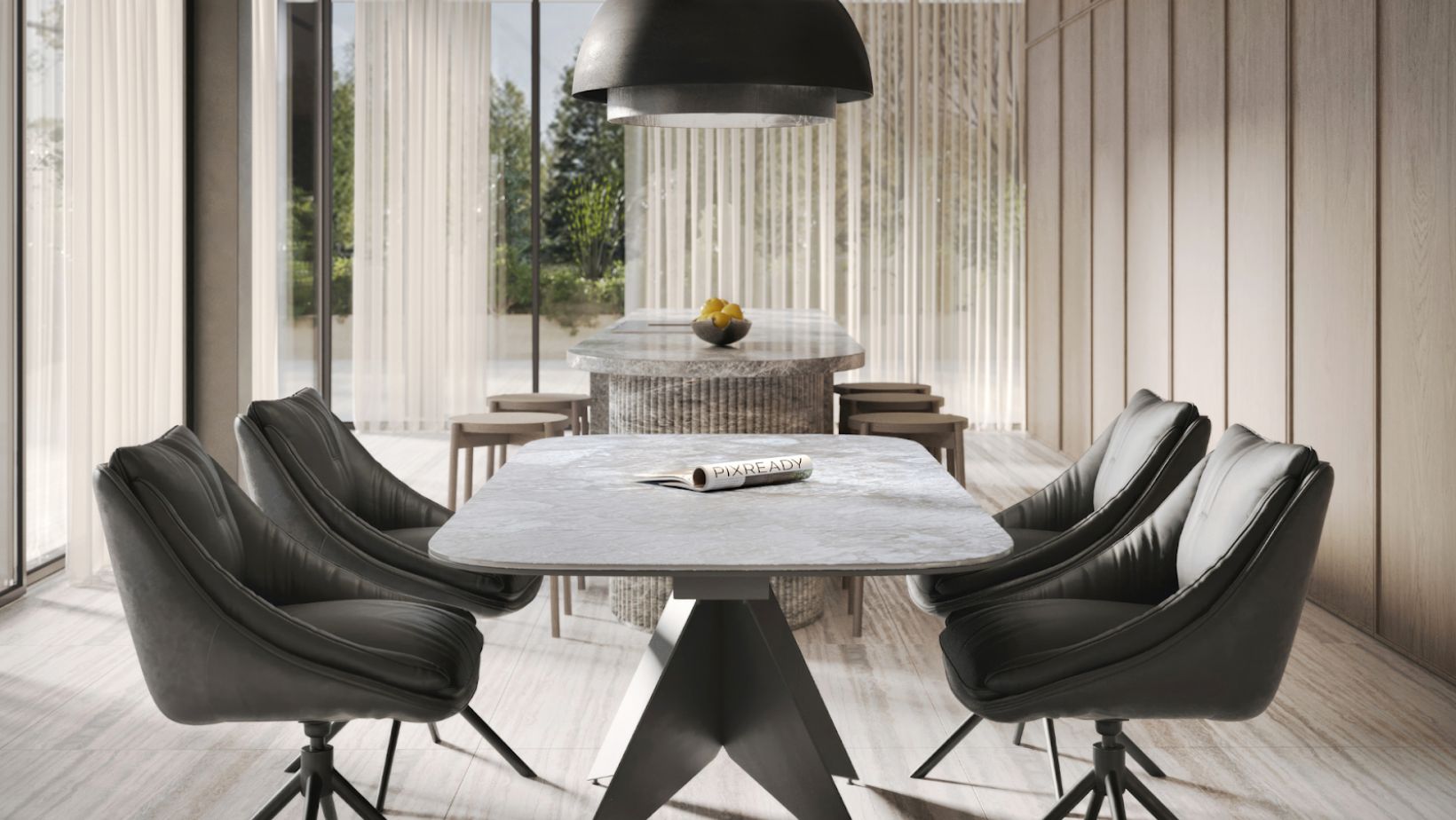
Running a furniture business has never been more exciting—or more competitive. With shifting customer expectations, online shopping habits, and a flood of new brands entering the market, furniture companies must stay sharp and innovative to stand out. Whether you run an eCommerce furniture store, a boutique showroom, or a large retail operation, increasing sales comes down to improving customer experience, enhancing product presentation, and building trust.
Here are five effective ways to boost your furniture business sales that can dramatically elevate your brand.
1. Improve Your Website and User Experience
Your website is often the first impression customers get of your furniture brand, and first impressions matter. A slow, cluttered, or outdated site will cause potential buyers to exit long before they explore what you offer. To boost sales, your website needs to be clean, intuitive, and visually compelling.
Ensure your site loads quickly, your categories are easy to navigate, and your product pages are clear and informative. Customers shopping online rely heavily on visuals, so your site must display your furniture in the most appealing way possible. Attractive page layouts, compelling copy, intuitive menus, fast filtering, and mobile optimization are essential.
2. Enhance Product Presentation With 3D Furniture Rendering
In the furniture industry, visuals sell. Customers want to see how a piece looks, how it fits, and how it complements a space—and this is where professional 3D product rendering services become a powerful tool. Instead of relying solely on traditional photography, 3D rendering allows you to showcase hyper-realistic images of your furniture from any angle, in any setting, and in infinite variations.
For online furniture stores, this is a game-changer. With 3D renders, you can highlight every detail—textures, stitching, materials, wood grain, and fabric patterns—with clarity that traditional photos often struggle to capture. You can create lifestyle scenes, room settings, or minimalist product shots without physical photoshoots, saving time and money.
Even more importantly, 3D rendering allows you to present customizable furniture options effortlessly. Want to show a sofa in 20 fabric colors or a dining table in 5 wood finishes? Rendering makes this simple. Customers appreciate transparency and flexibility, and seeing the exact product they’ll receive increases their confidence and reduces returns.
3. Use Social Media to Your Advantage
Social media has become a powerful driver of furniture sales. Platforms like Instagram, Pinterest, Facebook, and TikTok are visual-first environments, making them ideal for furniture brands. Customers love seeing styled rooms, before-and-after transformations, design tips, mood boards, and behind-the-scenes stories.
The key is consistency. Post high-quality images, reels, and videos that highlight the unique features of your furniture. Use lifestyle setups to help customers imagine your pieces in real homes. Consider collaborating with interior designers or influencers—many customers rely on influencers for home décor inspiration, and partnerships can expose your brand to new audiences.
User-generated content (UGC) is also extremely valuable. Encourage customers to share photos of how they styled your furniture. This acts as social proof, showing real people enjoying your products. UGC builds credibility and often performs better than professional photos because it feels authentic.
Social platforms also allow you to engage directly with potential buyers. Quick responses to questions, helpful comments, and interactive stories build relationships—turning casual browsers into loyal customers.
4. Offer Customization and Personalization Options
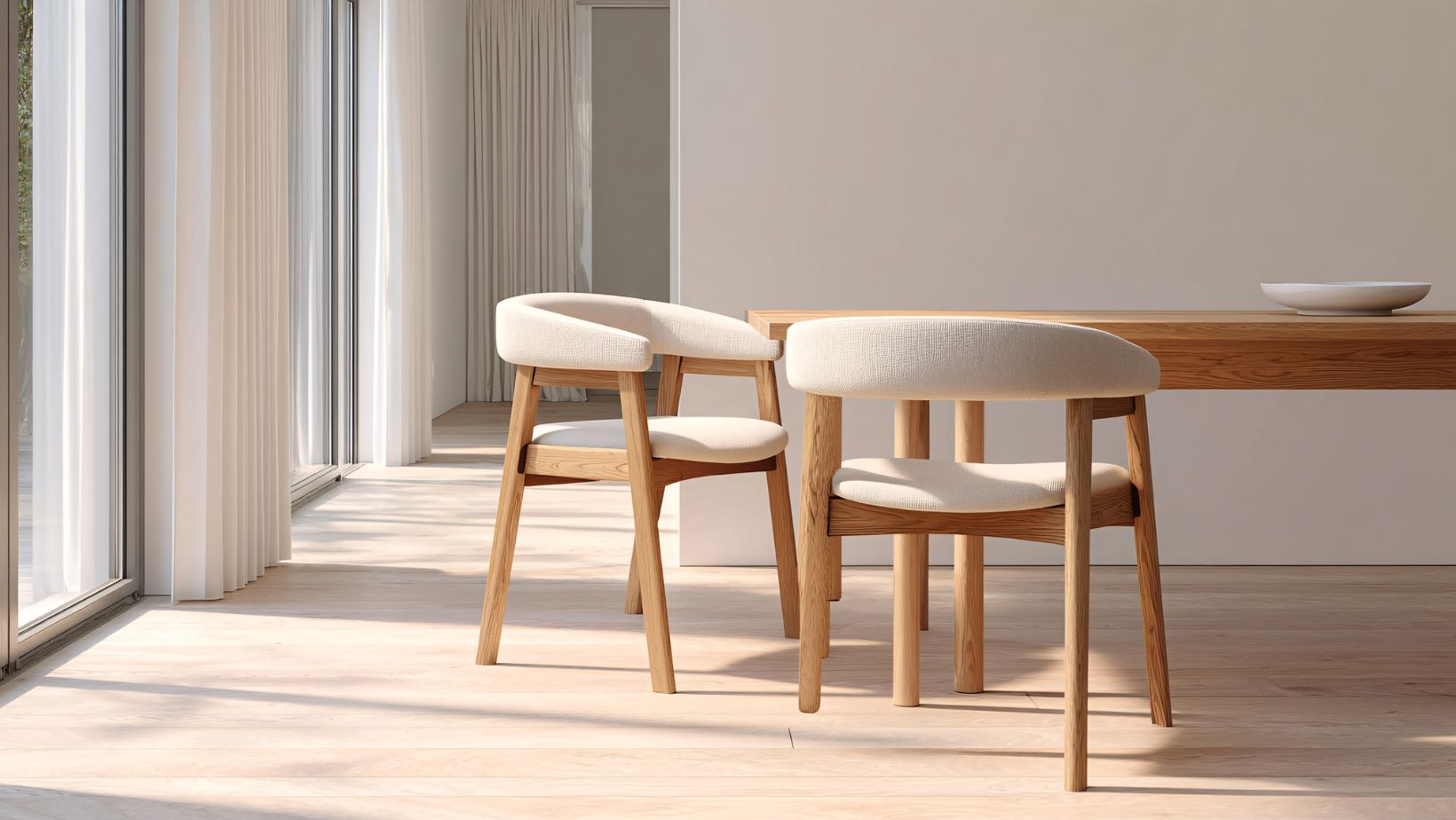
Furniture buyers love customization. Whether it’s choosing fabric colors, wood finishes, leg styles, or dimensions, giving customers the ability to personalize their furniture adds tremendous value. It turns a product from something ordinary into something that feels unique and tailored to their lifestyle.
Offering customization sets your business apart from competitors who stick to fixed catalog items. Many customers are willing to pay more for something that matches their exact preferences, especially for large pieces like sofas, dining tables, and bedroom sets.
Clear communication is essential when offering customization. Provide visual examples, easy-to-use selection tools, and information about delivery times. If possible, integrate a product configurator on your website—this can tie in seamlessly with your 3D furniture renders to give customers a real-time preview of their design choices.
Personalization doesn’t end with the product. You can enhance customer experience by offering personalized recommendations, design suggestions, or room layout tips based on their style preferences. The more personalized the shopping journey feels, the more value customers perceive.
5. Improve Customer Service and Support
High-quality customer service is a pillar of any successful furniture business. Buying furniture is a significant investment, and customers want reassurance throughout the process.
Offer multiple communication channels—live chat, email, phone, and even social messaging—so customers can reach you easily. Respond quickly and professionally to inquiries, and be transparent about shipping times, delivery options, and return policies.
Providing excellent pre-purchase and post-purchase support reduces friction and builds trust. Customers who feel taken care of are more likely to buy again and recommend your business to others.
You can also offer value-added services such as:
- Free design consultations
- Room layout guidance
- Assembly support
- Easy returns or exchanges
These elements may seem small, but they greatly affect customer satisfaction and long-term loyalty.
Final Thoughts
Boosting your furniture business sales comes down to creating a polished online presence, improving product presentation, connecting with customers through social media, offering customization, and delivering exceptional service. Modern tools like 3D furniture rendering elevate your brand’s professionalism and help customers feel confident in their purchasing decisions.
By combining these strategies, your furniture business can stand out in a crowded marketplace and convert more visitors into loyal, delighted buyers.