

Civil construction projects leave very little room for estimating errors. Earthwork volumes, road widths, drainage runs, utilities, and site balances are tightly interconnected. A small mistake in one quantity can cascade into schedule delays, budget overruns, and disputes in the field. This is why civil quantity takeoff plays such a critical role in preconstruction and why more contractors are adopting civil takeoff software to improve accuracy, speed, and consistency across bids.
As infrastructure and site projects become larger and more data-heavy, traditional estimating methods are struggling to keep up.
What Civil Quantity Takeoff Really Covers
Civil quantity takeoff is one of the most complex forms of estimating because it spans multiple systems and phases of work. A complete takeoff typically includes:
- Earthwork cut and fill volumes
- Roadways, pavements, and curbs
- Drainage systems and stormwater structures
- Underground utilities such as water, sewer, and gas
- Retaining walls, embankments, and slopes
- Site finishes, markings, and accessories
Each quantity must align with grading plans, profiles, cross-sections, and specifications. Missing or miscalculating even one scope item can significantly impact project feasibility.
Why Manual Civil Takeoffs Create Risk
Traditional civil takeoffs rely on printed plans, scale rulers, spreadsheets, and manual calculations. While experienced estimators can produce reasonable results, the process is slow and highly dependent on individual judgment.
Common challenges include:
- Difficulty interpreting contours and elevations
- Errors in cut-and-fill calculations
- Missed quantities across multiple plan sheets
- Time-consuming revisions when designs change
As civil projects increase in size and complexity, these risks multiply, making manual workflows increasingly unreliable.
How Civil Takeoff Software Changes the Process
Civil takeoff software replaces manual measurement with digital plan analysis and automated calculations. Estimators can upload site plans, define surfaces, and calculate quantities directly from digital drawings.
By standardizing how measurements are performed, software improves consistency across projects and estimators. It also allows teams to complete civil quantity takeoff faster, freeing time for scope review, constructability analysis, and pricing strategy.
Key Capabilities of Modern Civil Takeoff Software
Effective civil takeoff software is built to handle complex site geometry and volume-based calculations. Core capabilities include:
Digital Area and Volume Calculations
Accurate computation of earthwork, pavement areas, and material volumes without manual formulas.
Surface and Profile Analysis
Tools to analyze contours, slopes, and elevations improve cut-and-fill accuracy.
Linear Measurement Tools
Precise measurement of utilities, drainage lines, curbs, and road alignments.
Revision and Change Tracking
Quick identification of quantity changes when plans are updated.
Detailed Quantity Reporting
Clear breakdowns that support estimating, procurement, and field execution.
Speed and Accuracy in Large-Scale Projects
Civil projects often operate under aggressive bid timelines. Civil takeoff software enables estimators to complete detailed takeoffs significantly faster than manual methods.
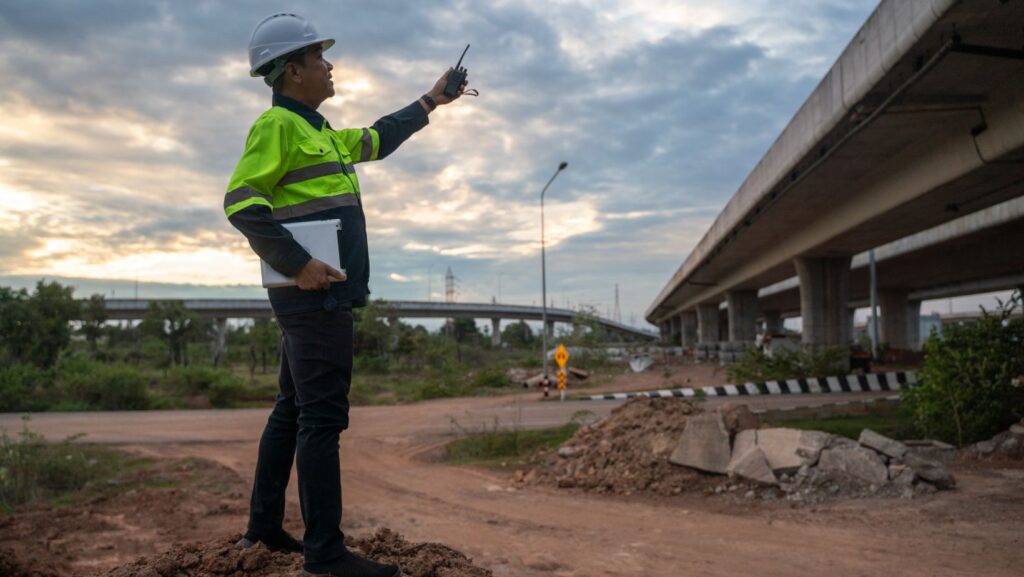
Faster civil quantity takeoff allows contractors to bid more projects, respond quickly to addenda, and submit competitive proposals without compromising accuracy.
Reducing Cost Risk and Improving Margin Control
Civil work is material- and equipment-intensive. Overestimating leads to inflated bids, while underestimating results in change orders, rework, and lost profit.
Accurate quantities help contractors:
- Optimize earthwork balances
- Improve equipment and crew planning
- Reduce material waste
- Strengthen cost control throughout execution
This level of precision is critical for protecting margins on infrastructure and site development projects.
Why Civil Contractors Are Moving to Digital Takeoffs
Across highways, utilities, land development, and infrastructure projects, civil contractors are rapidly adopting digital estimating tools for clear reasons:
- Higher bid capacity without increasing staff
- Improved accuracy on complex grading and utility scopes
- Better collaboration between estimating and field teams
- Stronger documentation for claims and disputes
As competition intensifies, these advantages often separate profitable contractors from the rest.
Choosing the Right Civil Takeoff Software
Not all solutions deliver the same results. When evaluating civil takeoff software, contractors should consider:
- Ability to handle large site plans and multiple surfaces
- Accuracy of volume and earthwork calculations
- Ease of use and learning curve
- Quality of reports and data exports
- Scalability for growing bid demands
The most effective tools fit naturally into existing estimating workflows and support long-term growth.
The Future of Civil Quantity Takeoff
Civil estimating is evolving beyond basic measurement into data-driven planning. Advanced platforms are beginning to compare quantities against historical projects, flag anomalies, and support more informed bid decisions.
As automation and intelligence improve, estimators will spend less time calculating and more time evaluating risk, constructability, and strategy. Civil quantity takeoff will remain the foundation of this shift.
Final Thoughts
Accurate civil quantity takeoff is essential for profitable infrastructure and site construction. In an environment defined by complex designs, tight margins, and strict schedules, manual methods introduce unnecessary risk.
By adopting modern civil takeoff software, contractors gain the accuracy, speed, and consistency needed to compete effectively. For civil construction firms focused on long-term success, digital takeoffs are no longer optional, they are a strategic requirement for winning and delivering projects with confidence.