
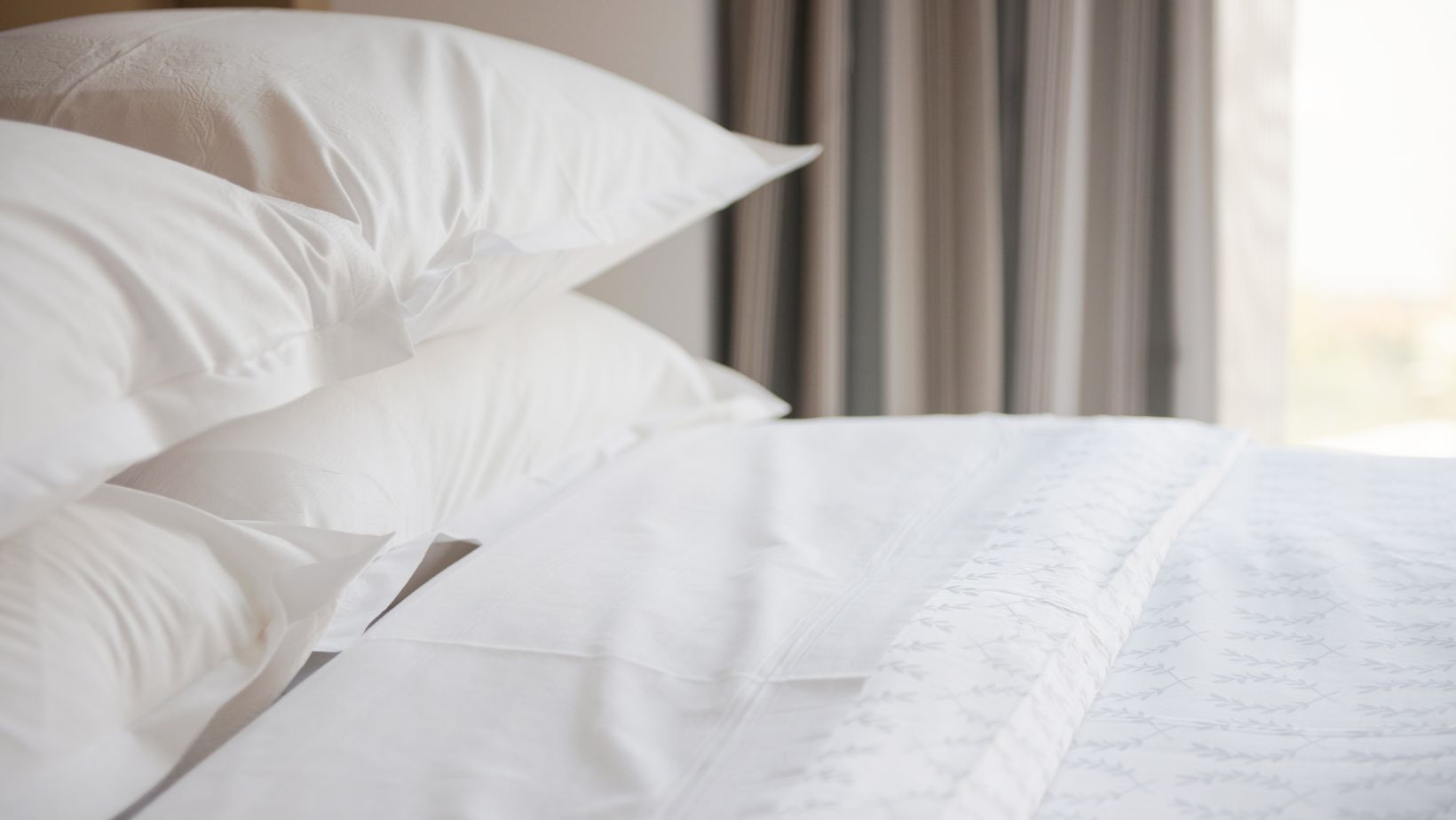
Purchasing Egyptian cotton pillowcases is an expensive addition to your sleep comfort. Unfortunately, they are marketed alongside countless fake products that claim to be Egyptian cotton but are made from cheaper material. This not only makes you lose money, but also prevents you from the elegance that these premium bedding items offer. Knowing how to distinguish fake and authentic Egyptian cotton pillowcases will limit the risk of financial loss due to poor quality and will guarantee the comfort and durability associated with genuine Egyptian cotton. In this guide, you will learn how to authenticate Egyptian cotton pillowcases, recognize indicators of quality, and help make better buying choices.
Common Counterfeit Tactics to Watch For
Most people find it difficult to recognize the growing sophistication of textile counterfeit schemes. They may claim to sell ‘Egyptian cotton’ while they mix small quantities of Egyptian cotton with regular cotton or completely synthetic fibers. Some fake sellers apply temporary treatments to fabrics that imitate the smoothness of real Egyptian cotton. These do fool people at first look, but do not offer the increasing softness and durability over time that real Egyptian cotton gives. Knowing these practices enables you to spot potential problems when trying to choose pillowcase products. Price control is another tactic for Egyptian cotton products. Authentic Egyptian cotton products do cost a lot because of the limited supply and difficult production processes involved, but counterfeiters make prices seem very cheap just to lure consumers to buy their products. While real textile counterfeiters resort to relatively low prices, these set prices that are not too suspiciously low but lower than premium prices often capture those consumers who know Egyptian cotton is expensive compared to standard bedding, but not the actual accurate price ranges. The general rule is that if the price of pillowcases claiming to be made of Egyptian cotton is similar to standard cotton pillowcases, those products are counterfeits.
Physical Inspection Techniques
Start by rubbing the fabric with your fingers while considering a possible purchase. Authentic Egyptian cotton stands out because it feels smooth yet sturdy and has a heft that is almost silky. Counterfeits, on the other hand, initially feel soft but lack the density that is responsible for the durability of Egyptian cotton. Hold a pillowcase up to the light; authentic Egyptian cotton containing proper thread counts will produce a fabric that has consistent opacity, and in the fabric, there are no gaps in the weave. The fabric should not easily let light through, but extremely high thread counts (over 800) may allow slight translucence due to the threads used. Take a closer look at the stitching, as genuine Egyptian products should have contemporary quality control throughout the production processes. Look for stitches that are neat and tight; on a stitch, there is uniform tension on the thread all around. The corners should feature reinforced stitches, and seams should not be bulging. Pure Parima is good in the aspect of providing quality Egyptian cotton pillowcases, as consumers expect luxury sheet bedding to have craftsmanship equal to their money. In regard to substandard stitching is an indication that the bedding is either fake Egyptian cotton or true material processed by poorly advanced manufacturers. In both cases, you will not receive the valuable experience you pay for.
Certifying Organizations and Labels
The Cotton Egypt Association, for instance, has an Egyptian Cotton™ certification program aimed at solving counterfeit problems. Products bearing this certification mark have gone through DNA analysis to attest to their Egyptian cotton content. The Golden Egyptian Seal marks cotton products that clearly display the cotton boll and pyramids symbol on the verification label, while manufacturers and sellers claim it pays to advertise. However, to protect against fraud, CEA further offers software for label tracking by CEA product serial numbers. Counterfeiters sometimes forge these labels, so retrieval of verification through the CEA website using the product serial numbers provides added security. Other fraudulent labels claim to offer the same benefit but fail to verify specific origin, like OEKO-TEX Standard 100, which shows that the material is free from harmful substances. Almost all reputable Egyptian cotton producers tend to obtain this certification, together with the claim of origin verification. It’s important to get the difference in meaning between ‘Egyptian Quality Cotton’ or even ‘Style Cotton’ when verifying packing assertions claimed on the package. Only the mark ‘100% Egyptian Cotton’ guarantees the material is genuinely grown in Egypt. All these terms are used legally, allowing merchants to process any other cotton, grown elsewhere, into these phrases. Look out for QR codes or verification numbers that permit users to claim authentication via official certification sites. These systems are increasingly being adopted by legitimate manufacturers to enable consumers to verify the authenticity of premium goods that are sold by fraudsters.
Brand Research and Reputation
Conduct prior research on manufacturer reputations using independent review sites as opposed to brand websites that include testimonials. Focus on their company history in dealings with premium bedding and their sourcing transparency. Well-known brands usually highlight their Egyptian cotton sourcing, processing, and quality control details. They often have direct business relations with Egyptian cotton farms and mills through which they verify the cotton fibers’ quality during production. Such companies consider transparency as a marketing tool rather than a business secret, sharing stringent quality assurance details openly with customers interested in genuine products. Examine the companies’ responses to negative reviews around product quality. Companies selling genuine Egyptian cotton usually have liberal return policies and respond quickly to customer concerns. Such companies will not cut corners by reserving quality materials for flagship products, which lowers the quality of non-flagship goods and drastically impacts the perceived quality of their entire product line.
Conclusion
The purchase of genuine Egyptian cotton pillowcases from trusted brands ensures comfort and longevity that surpasses value for money. To avoid fakes or sub-standard quality, a combination of knowledge and due diligence is critical. The strategy of smart shopping includes acquiring appropriate documentation, understanding fair prices, checking the fabric physically, and conducting background checks. While fraudulent scammers are always altering their schemes, these methods will protect most consumers from a lot of the devious tactics currently flooding the market. If you are looking for the best quality with guaranteed authenticity, the best option is pillowcase sets made from Egyptian cotton by Pure Parima. This company holds the relevant certifications, possesses the necessary physical markers of genuine cotton Egyptian products, and has an established name for delivering quality in the premium bedding market. With these facts, consumers can seek the pillowcases, resting easy knowing these transparent practices, paired with maintained standards, will deliver the legendary comfort and molded durability they expect from authentic Egyptian cotton.