
For many businesses, IT costs creep up rather than arrive all at once. A new system here, an extra licence there, a quick fix that becomes permanent. Before long, technology feels expensive and difficult to manage, even though it was meant to make work easier.
The problem is not usually overinvestment. More often, it is a lack of review. Systems are left running as they were originally set up, even as the business changes around them. Cost saving, when approached properly, is less about removing tools and more about making sure each one still earns its place.
Starting with Infrastructure That Does Not Need Constant Attention
There is a big difference between saving money and deferring cost. Cheaper hardware can look sensible on a spreadsheet, but in practice, it often demands more time, more fixes, and more workarounds. Staff notice slower systems long before finance teams see the invoices.
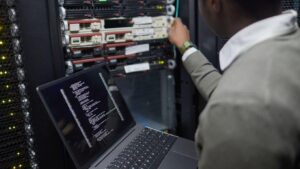
Reliable infrastructure reduces this friction. Businesses that handle their own data, internal platforms, or virtual workloads need servers that can operate consistently without becoming a regular point of concern. Dell rack servers are widely used because they are built for sustained use rather than short bursts. When hardware runs quietly in the background and does not require frequent intervention, the savings appear over time through reduced downtime and fewer emergency upgrades.
Avoiding Assumptions About the Cloud
Cloud services are useful, but they are not a universal solution. Many organisations move systems online, assuming it will automatically lower costs. In reality, monthly charges can rise quickly when usage is not closely monitored.
A more practical approach is to decide what genuinely benefits from cloud flexibility. Variable workloads and collaboration tools often suit it well. Stable systems with predictable demand may not. Matching the environment to the task helps maintain performance while keeping spending under control.
Trimming Software Without Disrupting Teams
Software sprawl is common, especially in growing businesses. Different departments adopt their own tools, often with good intentions. Over time, this leads to overlapping platforms and underused licences.
Reviewing software does not need to be disruptive. Simple checks on usage levels and feature overlap can highlight where tools can be reduced or combined. The goal is not to restrict teams, but to remove complexity that no longer serves a purpose.
Using Automation to Reduce Quiet Inefficiencies
Some of the most expensive processes are the ones nobody questions. Manual reporting, routine checks, and repetitive admin consume hours that could be better spent elsewhere.
Automation does not need to be dramatic to be effective. Scheduled backups, automated alerts, and standardised workflows reduce error and save time without changing how people work day to day. These gains accumulate gradually, which is why they are often overlooked.
Treating Maintenance as a Financial Decision
Maintenance is rarely exciting, but it is financially sensible. Systems that are updated, monitored, and reviewed fail less often and recover more quickly when issues do arise.
Security fits into this thinking as well. Preventative measures are significantly cheaper than responding to breaches or data loss. Planning ahead helps avoid costs that are difficult to predict and harder to justify after the fact.
Be Strategic to Keep Costs to a Minimum
The strongest cost-saving strategies reflect how a business actually operates, not how it once did or hopes to in the future. Technology should follow real workflows and priorities.

When IT decisions are revisited regularly and adjusted with purpose, performance improves naturally. Spending less becomes a result of clarity rather than restriction, and systems begin to feel supportive rather than burdensome.