
Keeping a truck fleet running is a constant battle. It’s a fight against wear and tear. It’s a struggle against unexpected breakdowns. Managing this effort used to mean thick binders and grease-stained checklists. Today, every smart fleet uses specialized technology. But a crucial question remains. Where should this technology live? Should it be installed on your own office servers? Or should it live on the internet?
The choice between cloud and on-premise systems defines your entire operation. This decision impacts your budget, your flexibility, and your daily workflow. Understanding the modern truck fleet maintenance software landscape is your first step. Let’s break down this critical tech choice.
The On-Premise Fortress: Total Control, Total Responsibility
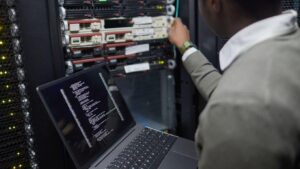
Think of an on-premise system like a fortress. You build it on your own property. The software is physically installed on servers in your office or shop. Your own IT team manages everything. This setup offers a deep sense of control. You own the hardware and the licenses outright. Your data never leaves your building. This can feel very secure. It allows for heavy customization to fit exact, unique processes.
For some large, established fleets, this model feels right. It’s a known quantity. But this control comes with a hefty price tag. The upfront cost for servers and software is significant. You are also responsible for everything. Your team handles updates, fixes, and security patches. This demands a dedicated, skilled IT staff. The fortress is powerful, but maintaining its walls is entirely your job.
The Cloud Solution: Agility as a Service
Now, picture the cloud alternative. This is software you access through a web browser. There are no bulky servers in your back room. The provider hosts everything on secure, remote data centers. You simply log in from any computer or tablet. This model works like a subscription service. You pay a regular monthly or annual fee per vehicle or user.
The initial setup cost is typically very low. This makes it incredibly accessible for growing fleets. The provider handles all the technical heavy lifting. They manage server security, software updates, and data backups automatically. Your team just uses the tools. This approach offers remarkable agility. Your managers can check parts inventory from home. Your mechanics can update work orders from a shop tablet.
The Upfront Cost Showdown
Money talks loudest in this debate. The financial models are completely different. On-premise software requires a major capital expenditure. You write one large check for licenses and hardware. This can strain a yearly budget. The cloud model is an operational expense. It’s a predictable, recurring fee. This preserves your capital for other investments, like new trucks.

There are no surprise costs for server repairs or major upgrades. The trade-off is clear. Do you prefer a single big hit or a steady, manageable stream of smaller payments? For many modern businesses, the subscription model wins. It converts a large, risky tech project into a simple monthly line item.
Accessibility: Anywhere, Anytime vs. Behind the Firewall
How does your team need to work? An on-premise system usually lives inside your company’s network. Accessing it remotely requires complex virtual private networks (VPNs). This can be clunky for mobile managers or remote mechanics. Cloud-based truck fleet maintenance software demolishes these walls.
Authorized users log in from any device with internet. A shop foreman can review schedules from his phone. A purchasing manager can order parts from a laptop at home. This anywhere-access is a game-changer for efficiency. It supports a distributed, modern workforce. The office, the shop, and the road are all connected seamlessly.
The Security Question: Perception vs. Reality
Security concerns often dominate this discussion. The perception is that on-premise systems are safer. Your data stays inside your walls. But reality is more nuanced. A cloud provider’s entire business depends on security. They invest millions in top-tier cyber defenses, encryption, and expert teams. Most individual fleets cannot match that level of investment. Your own server room might be more vulnerable to physical theft, fire, or simple human error.
With a reputable cloud vendor, your data is often safer. It’s distributed across redundant, enterprise-grade data centers. The real security risk is choosing a provider with a poor reputation. Do your homework on their certifications and history.
The Innovation Race: Who Keeps You Current?
Technology never stands still. New features and integrations emerge constantly. Here, the cloud holds a clear advantage. Your provider rolls out updates automatically. You wake up to new tools and improvements without any effort. An on-premise system can become stagnant. Upgrading often means buying a new software version. This involves another big purchase and a disruptive installation process. Many fleets delay these costly upgrades. They fall years behind on functionality.
With a cloud system, you are always on the latest version. You benefit from continuous innovation funded by all the provider’s customers.
Making the Right Choice for Your Fleet
So, which path is best? There is no universal answer. It depends entirely on your fleet’s DNA. A very large, specialized operation with a big IT department might still value on-premise control. They have the resources to manage it.
For the vast majority of fleets, however, the cloud is the smarter choice. It offers lower startup costs, effortless updates, and fantastic mobility. The subscription model aligns tech costs directly with fleet size. Look for robust, modern truck fleet maintenance software built for the cloud. Prioritize providers with strong security credentials and a clear update roadmap.